Tax-Deductible Clean Water Projects for Rural Schools in Uganda: A US Donor's Guide
How to fund tax-deductible clean water projects for rural schools in Uganda and East Africa through a 501(c)(3): boreholes, rainwater tanks, latrines and hand-washing. What to check before you give.
GiveToAfrica team · · 11 min read
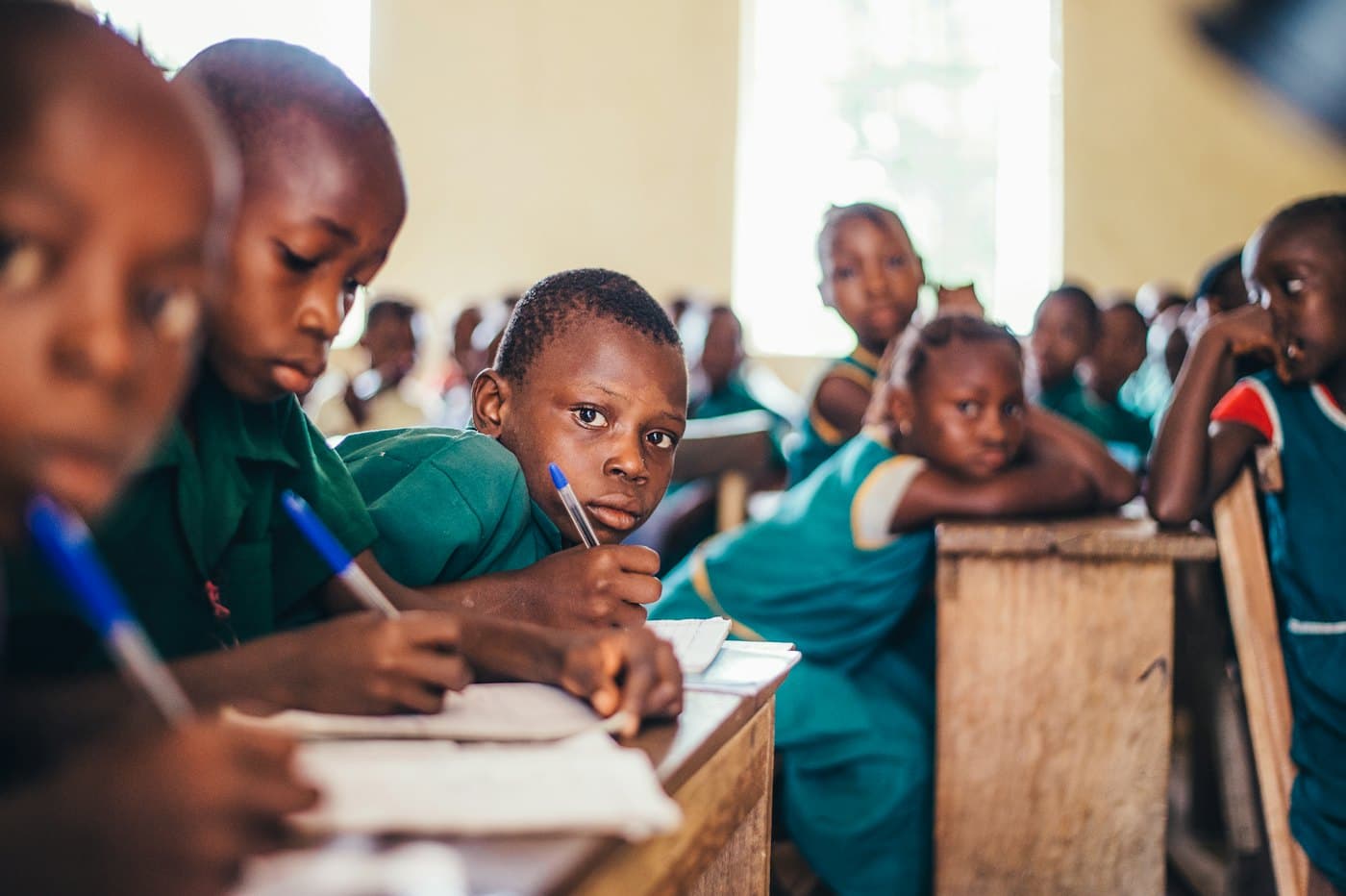
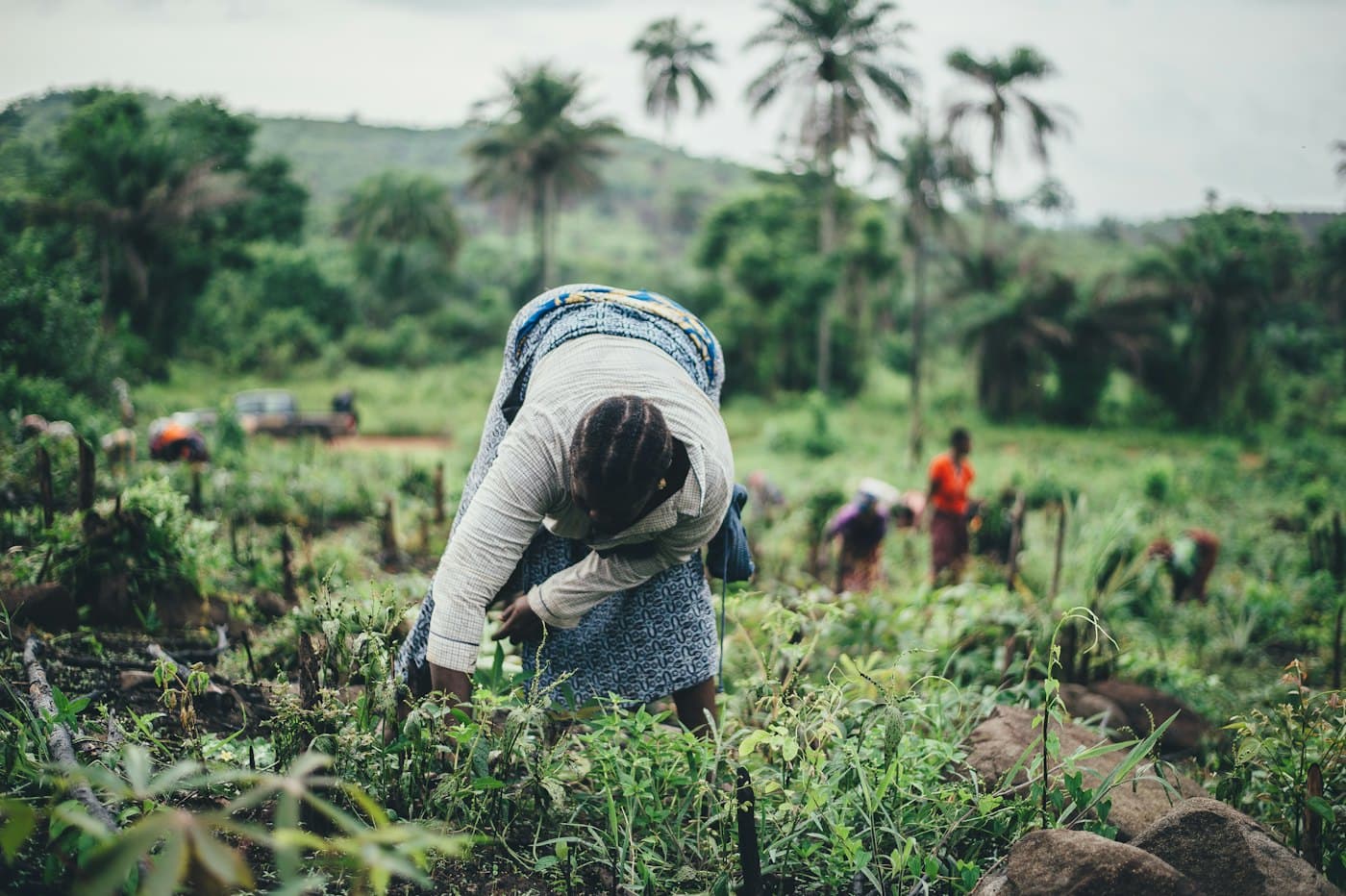
Illustrative photo: Annie Spratt / Unsplash
If you are looking for tax-deductible clean water projects for rural schools in Uganda, you are backing one of the most practical gifts in international giving. Safe water at school keeps children healthy, keeps girls in class and lets teachers teach. This guide explains what school water projects involve, how to make sure your gift is tax-deductible in the United States, and how to check any charity before you give.
We'll also explain how GiveToAfrica, a registered 501(c)(3) nonprofit (EIN 27-3982730), funds school water and sanitation through vetted local partners, and how to ask where this round's projects are.
Why clean water matters so much at rural schools
In many rural parts of East Africa, including Uganda, schools have no safe water on site. Consequently, pupils either go thirsty all day or drink from unprotected sources nearby. Similarly, many schools lack enough toilets, or any hand-washing station at all.
The effects are serious. First, children who drink unsafe water get diarrhoea and other illnesses, and miss school. Second, pupils may be sent to fetch water during the school day, losing lesson time. Third, girls often stay home during their periods when there are no private, clean latrines.
Moreover, clean water is not only a health issue. It also shapes whether a school can run a lunch programme, keep a garden or hold boarding pupils. Therefore, clean water projects for rural schools in Uganda and across East Africa often unlock several improvements at once.
Globally, the scale of the problem remains large. WHO and UNICEF estimate that about 2.1 billion people still lack safely managed drinking water, and rural communities are among those furthest behind (WHO/UNICEF, 2025).
What "tax-deductible" really means for your gift
Many US donors specifically search for tax-deductible clean water projects for rural schools in Uganda. That makes sense, because giving directly to a foreign organisation is generally not tax-deductible in the US.
Instead, US tax deductions generally apply to gifts made to a US-registered 501(c)(3) charity. That charity then funds the work overseas under its own control and oversight. Therefore, the simplest way to make a school water gift tax-deductible is to give through a US 501(c)(3), such as GiveToAfrica.
In addition, the tax rules changed for 2026. If you don't itemize, you can now deduct up to $1,000 of cash gifts to qualifying charities ($2,000 for married couples filing jointly). Meanwhile, if you do itemize, charitable deductions now count only above 0.5% of your adjusted gross income (TurboTax). As always, check your own situation with a tax adviser.
Finally, keep your receipt. GiveToAfrica emails a receipt as soon as your payment clears, and it is valid for your US tax records. Keep it safely with your other charitable receipts for the year.
How GiveToAfrica funds school water projects
We fund local organisations that build and maintain water and sanitation at schools and in communities. Every cause shows its budget and targets before you give, and every donor receives a quarterly field report.
However, we want to be clear about location. Our site does not list the exact districts or countries of each round's projects, because partner locations change from round to round. Therefore, if you want your gift to support schools in Uganda specifically, please contact us before you give. We will tell you honestly whether this round's school water projects include Uganda, and if not, where they are.
Additionally, GiveToAfrica is a registered 501(c)(3), EIN 27-3982730. You can confirm this in the IRS Tax Exempt Organization Search. You can read how we work and why we send field reports.
Our Services: school water projects you can fund
A school water project is usually a combination of several pieces. Here are the seven you can fund through our clean water causes.
A borehole close to the school
Where groundwater is available, a drilled borehole near the school gives pupils and neighbours safe water all year. Our wells and boreholes cause funds surveys, drilling, casing, hand pumps and water tests.
A new borehole serving about 500 people costs around $12,000 in our current budget. Smaller gifts help build one; for example, $50 provides clean water for one person for 10 years. Consequently, a school-based borehole often serves the surrounding village too.
Rainwater harvesting tanks
In some areas, groundwater is too deep or salty, or a borehole is too far away. In those places, rainwater harvesting from school roofs can be the best option. Through our faith community development cause, $600 installs a rainwater tank for a church-run school.
Moreover, many rural schools in East Africa are run by churches. As a result, rainwater tanks for church-run schools reach a large share of rural pupils. A tank also works well alongside a borehole, catching free water in the rainy season and saving the pump for the dry months when it is needed most.
Latrine blocks for girls and boys
Safe water and sanitation go together. Our sanitation projects cause builds separate, lockable latrine blocks for girls and boys.
A complete block of latrines for a school costs about $4,500 in our current budget. Our target this round is 10 blocks, giving 4,000 pupils a safe school toilet.
Hand-washing stations
A toilet without hand-washing still spreads disease, because germs travel on hands from latrines to lunch plates and classroom desks. Therefore, every latrine block includes a hand-washing station with soap and water storage. For instance, $60 funds hand-washing stations for two classrooms.
Menstrual hygiene kits
Many girls miss school every month because they have no sanitary products. Through sanitation projects, $250 provides menstrual hygiene kits for 50 girls. Consequently, girls can attend every day of the month.
Water quality testing
A water point is only safe if the water is tested. Therefore, 10% of the wells and boreholes budget goes to surveys before drilling and laboratory tests after. Our target is that 100% of water points pass quality tests before anyone drinks from them.
Household filters for pupils' families
Children drink water at home too, and a child who is healthy at school can still fall ill from unsafe water in the evening. Our water purification cause provides household filters for families who still drink river or rain water. For example, $80 provides filters for two families of six.
Where each dollar goes
When you fund sanitation projects, about 45 cents of every dollar builds school latrine blocks. Next, 12 cents funds hand-washing stations, and 25 cents supports community-led sanitation in surrounding villages. Finally, 8 cents supports pupil hygiene clubs, and 10 cents covers monitoring and your report.
Similarly, the wells and boreholes budget puts 48% into drilling and casing, 10% into surveys and testing, 17% into pumps and aprons, 15% into water committees and mechanics, and 10% into monitoring. Therefore, you can see exactly how a school water gift would be used before you give.
What makes a school water project last
Many school water points break within a few years. That is why the most important question is not "how many were built?" but "how many still work?".
A water committee and a mechanic
First, every project trains a local water committee and a pump mechanic, and stocks spare parts. Consequently, repairs happen locally, without waiting for outside help.
A repair fund
Second, users pay a small fee into a repair fund. As a result, money is ready when a part wears out.
Pupil hygiene clubs
Third, pupil-led hygiene clubs keep facilities clean and stocked. Similarly, they teach younger pupils to wash their hands and use the latrines properly.
Follow-up visits
Finally, we check water points at 3, 6 and 12 months. Our target is that 95% of water points are still working after 12 months, and the field report shows the result.
A school water project, step by step
Here is how a typical school water project unfolds in the programmes you can fund. It describes the process, not any particular school.
Step 1: Choosing the school
First, the local partner works with district education officers, head teachers and parents to identify schools with the greatest need. Priority usually goes to schools with no safe water on site and the most pupils.
Step 2: Surveying the site
Next, a hydrogeological survey checks where water is likely, and how deep. If groundwater isn't suitable, the plan switches to rainwater harvesting instead.
Step 3: Building
Then, a licensed contractor drills the borehole or installs the tank, and local builders construct latrines and hand-washing stations. An independent check at each stage makes sure the work meets the agreed standard before the next payment is released.
Step 4: Testing and handover
After that, the water is tested before anyone drinks from it. The school's water committee and pupil hygiene club are trained, and the facilities are handed over.
Step 5: Follow-up
Finally, field staff return at 3, 6 and 12 months. As a result, problems are fixed early, and you see in the field report how the school's water point is performing.
Clean water projects for rural schools in Uganda: questions donors ask
Donors interested in clean water projects for rural schools in Uganda often ask similar questions. Here are honest answers.
First, "Can I choose one specific school?" Usually not for smaller gifts, because gifts to a cause are pooled. However, if you want to fund a complete school project, contact us and we will discuss what is possible this round.
Second, "Will pupils' families benefit too?" Yes. A school borehole often serves the surrounding village, and hygiene clubs spread good habits into homes.
Third, "How long before the water flows?" It depends on the season, the site and the contractor's schedule. Typically, projects take a few months from survey to handover, and the field report tracks each stage.
How to check a school water charity before you give
Whether you give through us or another organisation, ask these questions. First, is it a US 501(c)(3), so your gift is tax-deductible? Second, does it survey before drilling and test the water after? Third, who repairs the pump, and how is that funded? Fourth, will it report how many water points still work a year later?
In addition, if a charity says it works in Uganda, it is reasonable to ask whether its local partners are registered with Uganda's national NGO regulator. A trustworthy organisation will answer these questions readily.
For a wider checklist, read how to choose a charity for Africa. You can also read our full guide to donating to clean water wells in Africa and what goes into a borehole.
How to fund clean water projects for rural schools in Uganda from the USA
Here are the ways US donors most often give.
Give online
The quickest way is our donation page. First, choose a cause such as sanitation projects or wells and boreholes. Next, pick an amount; gifts start at $50. Then complete the secure form, and your tax receipt arrives by email.
Ask about Uganda first
If Uganda matters to you, email info@givetoafrica.net before you give. We will confirm where this round's school water projects are.
Give crypto, or from a DAF or IRA
You can give Bitcoin and more than 100 other coins; see our guide to donating crypto to Africa. Alternatively, recommend a donor-advised fund grant using EIN 27-3982730, or see our guide to giving from your IRA.
Fund a whole school's water and sanitation
Schools, churches and companies sometimes fund a complete school water project together. If that's you, contact us first so we can plan it. Companies can also match staff gifts; see company giving.
Supporting Ugandan and East African schools from across the United States
Donors in every state fund school water. Still, some American communities have particularly strong ties to Uganda and East Africa.
Churches in the Southeast and Midwest
Many congregations in Georgia, Tennessee, Texas and across the Midwest have partner churches or schools in Uganda. Consequently, church-led rainwater tanks and school latrines are popular choices for their mission giving.
Schools and universities
American schools often fund water for a partner school, so pupils on both sides learn together. For example, a US class can raise $600 for a rainwater tank over a school year. You can volunteer with us to organise a school fundraiser.
The Ugandan and East African diaspora
Boston, Dallas, Minneapolis and Washington, DC, all have East African communities with strong ties to home. Similarly, many diaspora families support water and schooling in the regions they come from.
Retirees and families
Many retirees give through an annual IRA distribution, and many families give in memory of a loved one. For instance, some families fund school water in memory of a teacher. Read our guide to legacy and memorial gifts.
Contact GiveToAfrica
We accept donations from all 50 US states and from supporters worldwide. To ask where this round's school water projects are, email info@givetoafrica.net, use our contact form, or tap the WhatsApp button on this page. We reply within two working days. See our privacy policy and terms.
Frequently asked questions
Are donations for clean water projects in Uganda tax-deductible?
Gifts to a US-registered 501(c)(3) are generally tax-deductible in the US, even when the work happens overseas. GiveToAfrica is a 501(c)(3), EIN 27-3982730, and emails a receipt for every gift.
Does GiveToAfrica have water projects in Uganda?
Our site does not list the exact countries of each round's projects. Please contact us before giving, and we will tell you whether this round's school water projects include Uganda.
How much does a school latrine block cost?
In our current budget, a complete block of latrines for a school costs about $4,500, and $60 funds hand-washing stations for two classrooms.
How much does a rainwater tank for a school cost?
In our current budget, $600 installs a rainwater tank for a church-run school.
How do you make sure school water points keep working?
Every project trains a local water committee and mechanic, sets up a repair fund and runs pupil hygiene clubs. We also check water points at 3, 6 and 12 months and report the results.
Ready to fund clean water for rural schools?
Choose a cause from our clean water area or all 38 causes, then give on our donation page. If Uganda matters to you, contact our team first, and we'll tell you where this round's projects are.
Donate directly to a cause in this guide
Choose a cause and your gift goes straight to it. Gifts start at $50, and are tax-deductible in the United States.
Clean water
Wells and boreholes
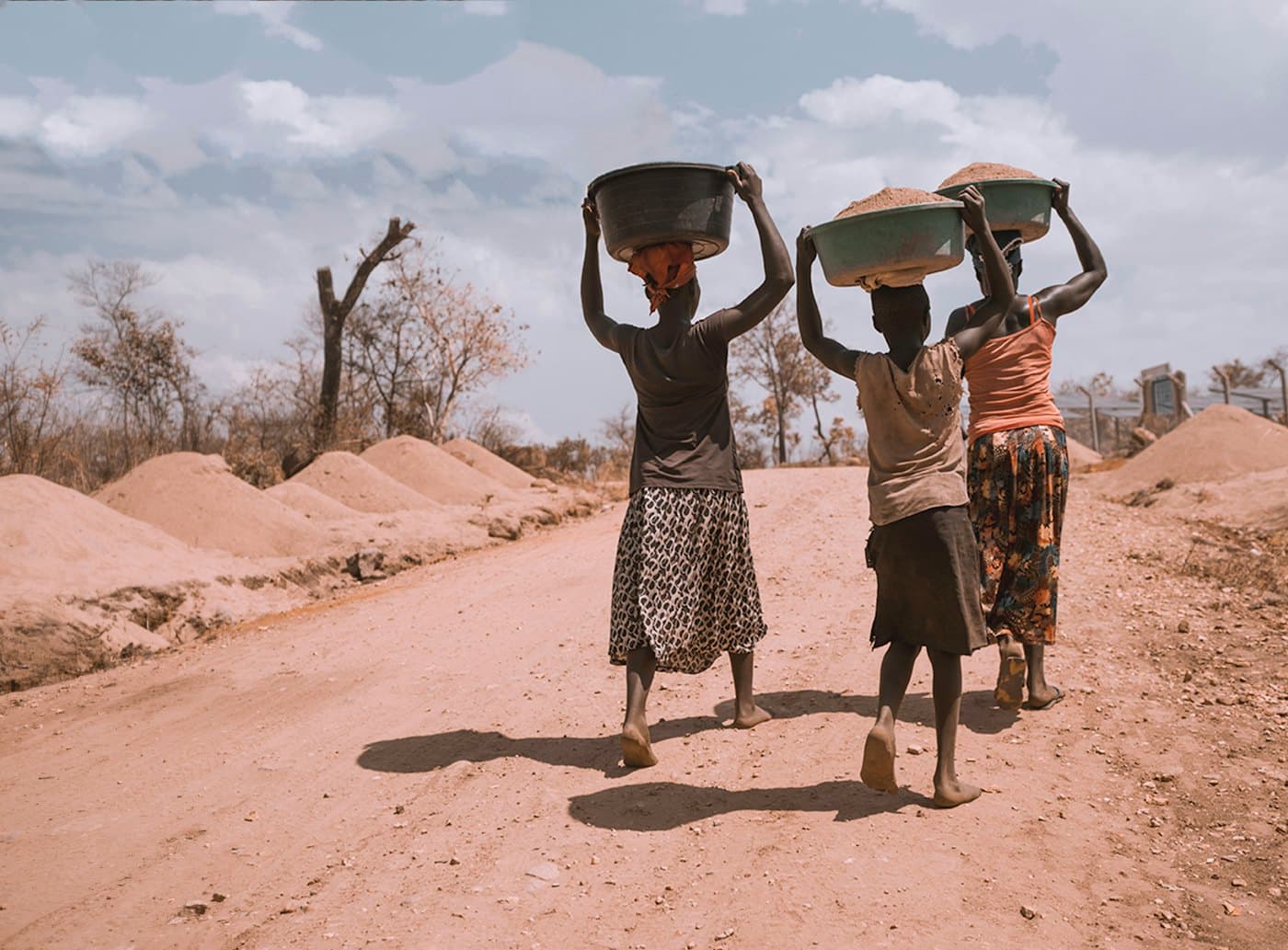
Drill a borehole and end the daily walk for water.
Donate to wells and boreholes$0 raised of $72,000
0%
$72,000 to go. Be the first to give.
Clean water
Sanitation projects
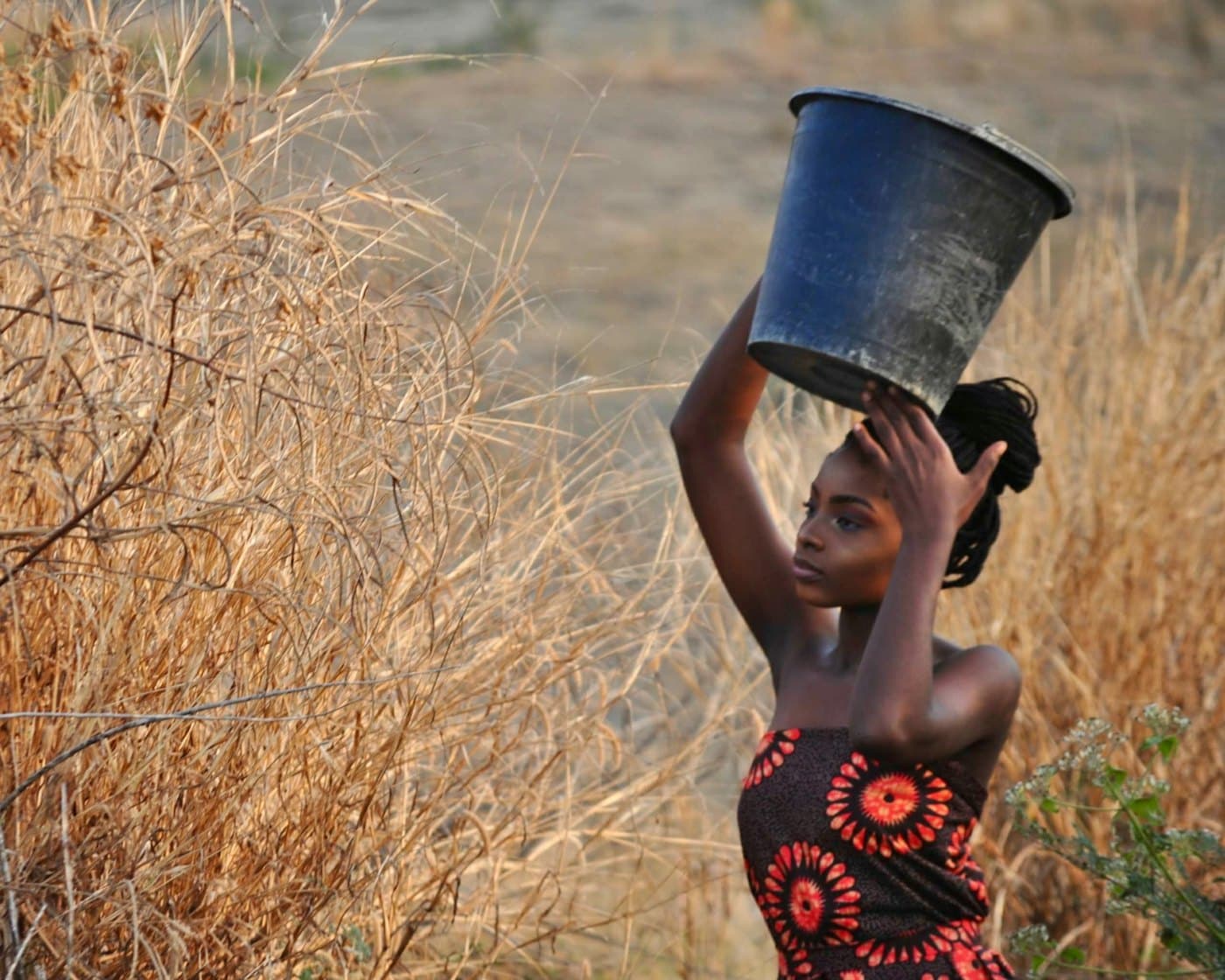
Toilets and handwashing stations for schools and villages.
Donate to sanitation projects$0 raised of $55,000
0%
$55,000 to go. Be the first to give.
Clean water
Water purification
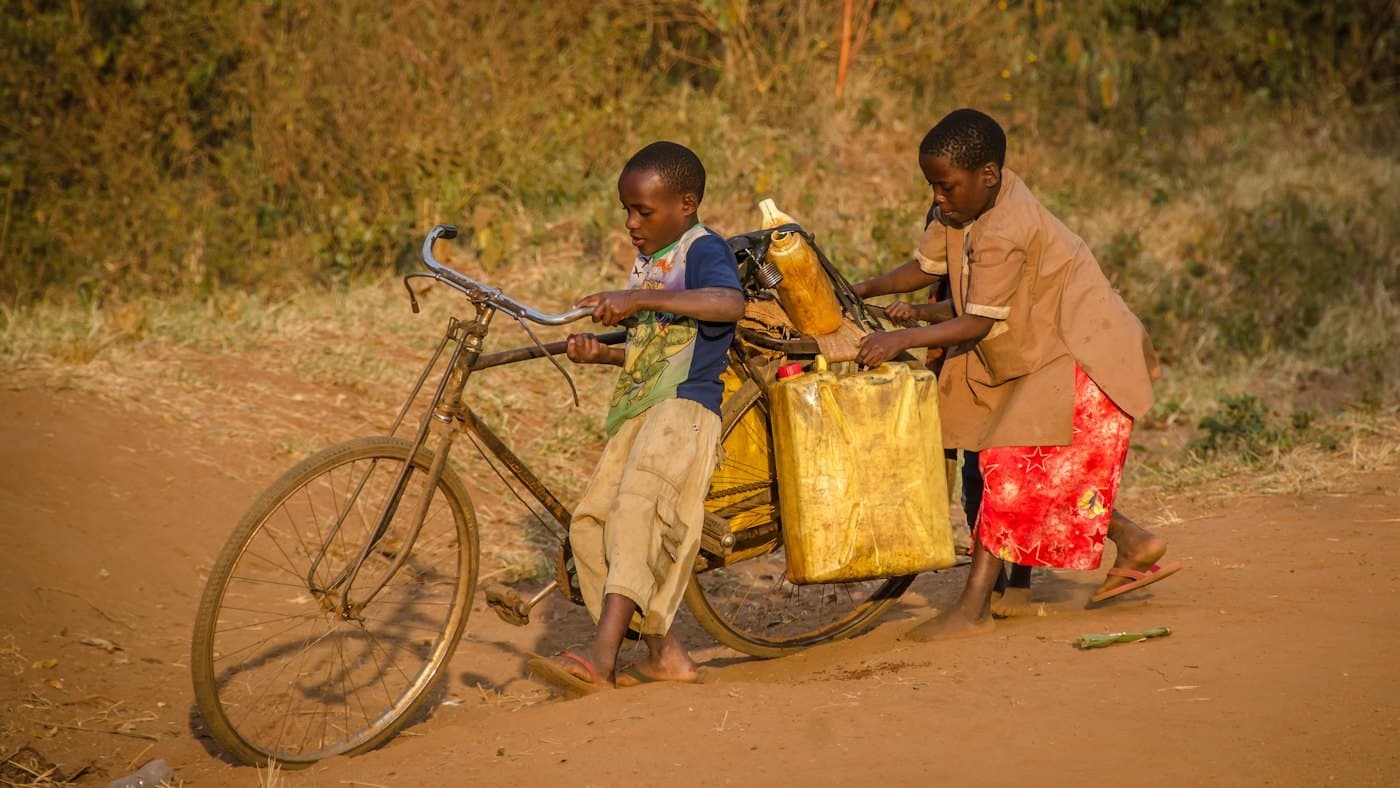
Household filters that make river and rain water safe to drink.
Donate to water purification$0 raised of $60,000
0%
$60,000 to go. Be the first to give.
Faith-based missions
Faith-led community development
Clean water, health and schools led through local church networks.
Donate to faith-led community development$0 raised of $50,000
0%
$50,000 to go. Be the first to give.
More stories
- Best 501(c)(3) Charities to Donate to Clean Water Wells in Africa: What to Look For in 2026
How to find the best 501(c)(3) charities to donate to clean water wells in Africa. Eight criteria that separate lasting water projects from broken pumps, and how GiveToAfrica measures up.
- Donate to Clean Water Wells in Africa: How Borehole Projects Work and What Your Gift Funds
How to donate to clean water wells in Africa through a 501(c)(3). See what a borehole costs, what keeps it working, and fund a water project directly.
- How to Donate to Africa from the USA: Every Way to Give, and Where Your Money Goes
A practical guide to donate to Africa from anywhere in the United States. Choose a cause, give tax-deductibly to a 501(c)(3), and see exactly what your gift does.