What goes into a borehole, and why the cost varies
Surveys, drilling, pumps, committees and repairs. Where the money for a community water point goes.
GiveToAfrica team · · 1 min read
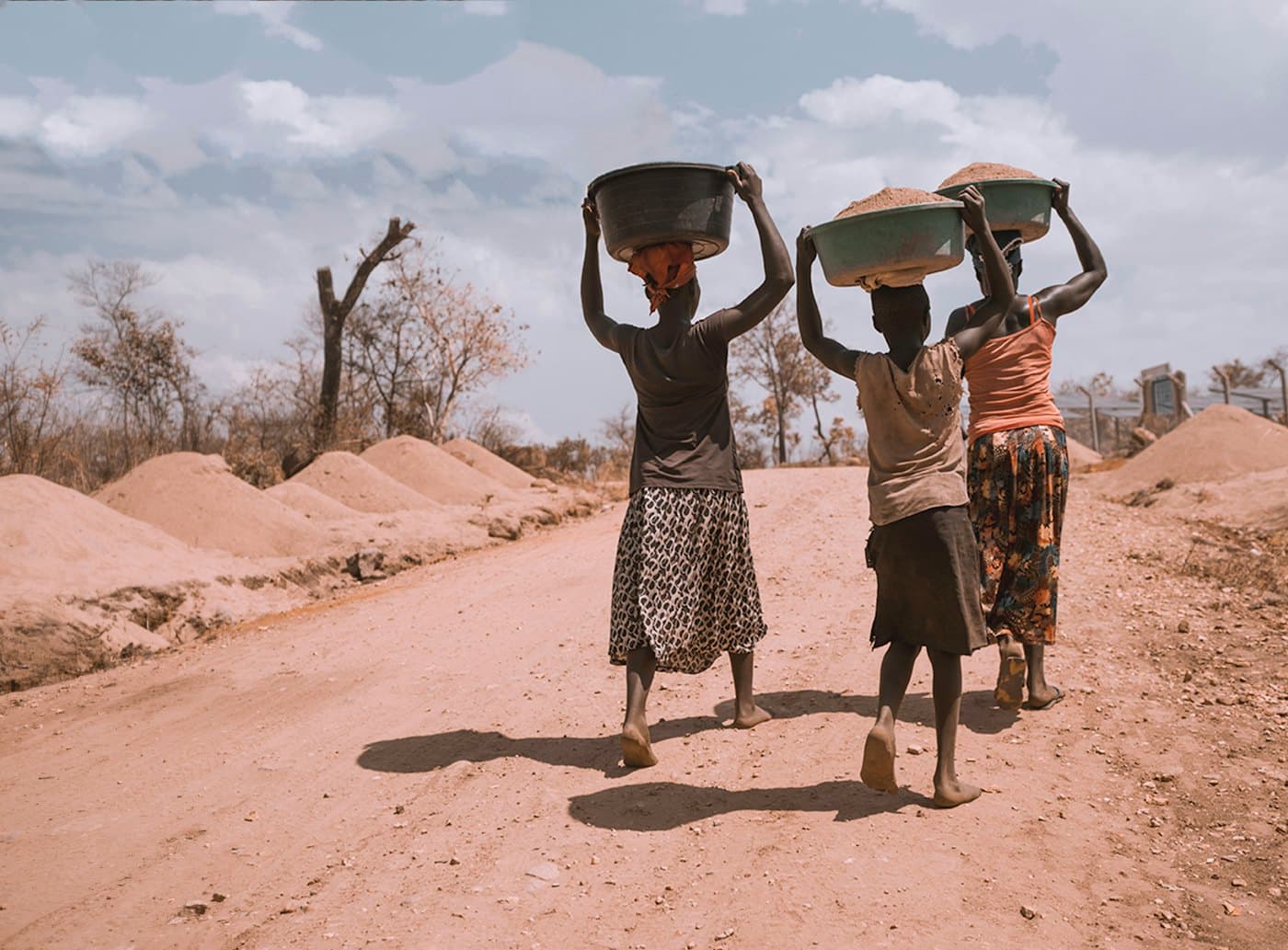
Illustrative photo: Ninno JackJr / Unsplash
A borehole looks simple: a hand pump on a concrete apron. The work that makes it last is mostly out of sight. Here is where the money goes, and why two boreholes can cost very different amounts.
Before any drilling
The hydrogeological survey. A trained surveyor tests the ground to find where water is likely, and how deep. Skipping this step is the most common reason a borehole comes up dry.
Agreeing with the community. Who owns the land? Where will the pump sit so that the furthest household can reach it? Who will look after it? These conversations happen before a rig arrives, not after.
Drilling
Drilling is usually the biggest single cost, and it depends on:
- Depth. Water at 40 metres and water at 120 metres are very different jobs.
- Rock. Soft ground drills quickly; hard rock takes longer and wears out bits.
- Access. A rig that has to travel a day on bad roads costs more to bring in.
After drilling
- Casing, screen and gravel pack keep the hole from collapsing and the water clean.
- A pump suited to the depth.
- A concrete apron and drainage, so spilled water doesn't pool and breed mosquitoes.
- Water quality testing before anyone drinks from it.
Keeping it working
Many water points across the continent stand broken. A borehole only helps if it keeps running, so part of every project goes into:
- Training a local water committee to collect small user fees and manage repairs.
- Training a pump mechanic from the area and stocking spare parts.
- Follow-up visits to check the pump is still working, which we report on.
What this means for your gift
Your gift is pooled with other donors' gifts to this cause and spent against a budget for each borehole. The figures on the wells and boreholes page are planning estimates. The quarterly field report shows what each borehole actually cost and how many are still working.
Donate directly to a cause in this guide
Choose a cause and your gift goes straight to it. Gifts start at $50, and are tax-deductible in the United States.
Clean water
Wells and boreholes
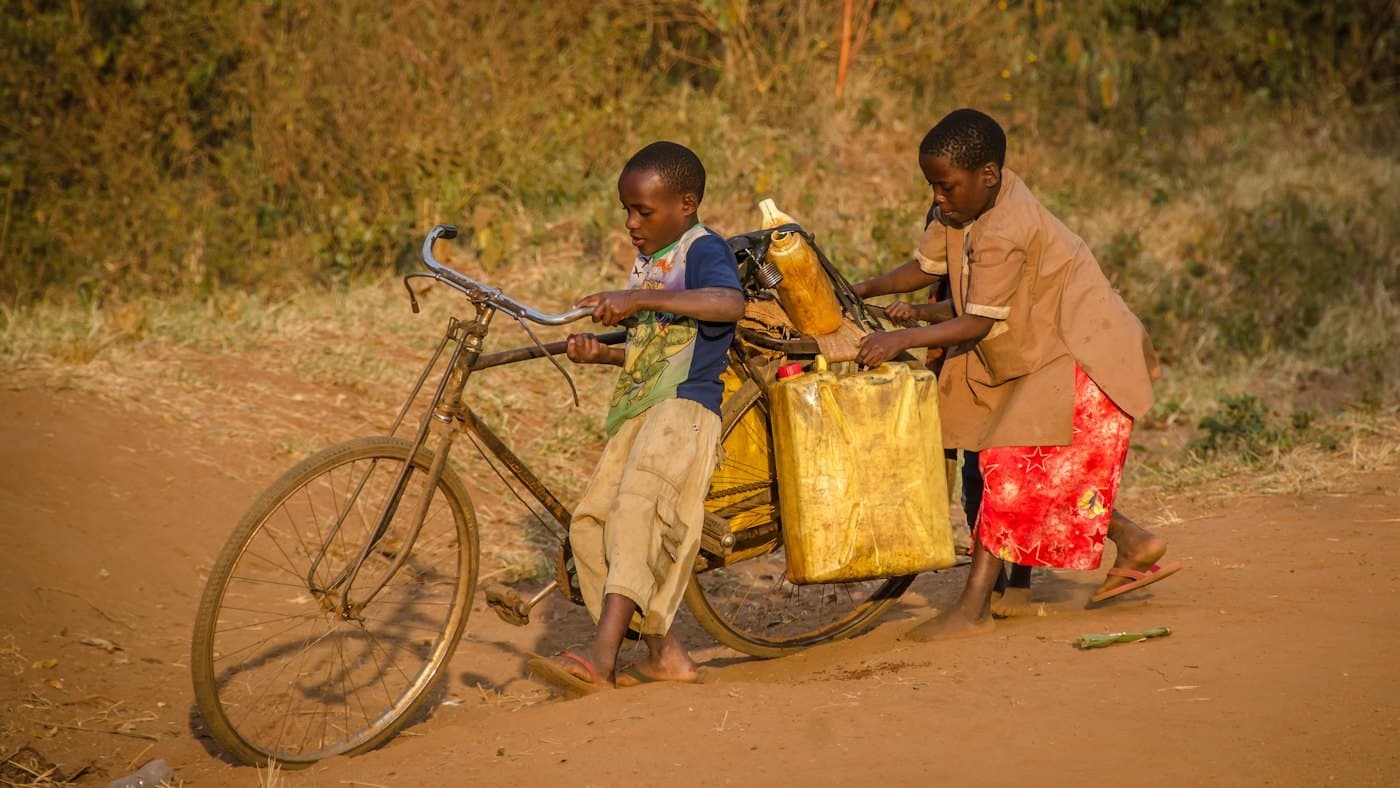
Drill a borehole and end the daily walk for water.
Donate to wells and boreholes$0 raised of $72,000
0%
$72,000 to go. Be the first to give.
Clean water
Water purification
Household filters that make river and rain water safe to drink.
Donate to water purification$0 raised of $60,000
0%
$60,000 to go. Be the first to give.
Clean water
Sanitation projects
Toilets and handwashing stations for schools and villages.
Donate to sanitation projects$0 raised of $55,000
0%
$55,000 to go. Be the first to give.
More stories
- Best 501(c)(3) Charities to Donate to Clean Water Wells in Africa: What to Look For in 2026
How to find the best 501(c)(3) charities to donate to clean water wells in Africa. Eight criteria that separate lasting water projects from broken pumps, and how GiveToAfrica measures up.
- Donate to Clean Water Wells in Africa: How Borehole Projects Work and What Your Gift Funds
How to donate to clean water wells in Africa through a 501(c)(3). See what a borehole costs, what keeps it working, and fund a water project directly.
- How to Donate to Africa from the USA: Every Way to Give, and Where Your Money Goes
A practical guide to donate to Africa from anywhere in the United States. Choose a cause, give tax-deductibly to a 501(c)(3), and see exactly what your gift does.