Donate to Clean Water Wells in Africa: How Borehole Projects Work and What Your Gift Funds
How to donate to clean water wells in Africa through a 501(c)(3). See what a borehole costs, what keeps it working, and fund a water project directly.
GiveToAfrica team · · 11 min read
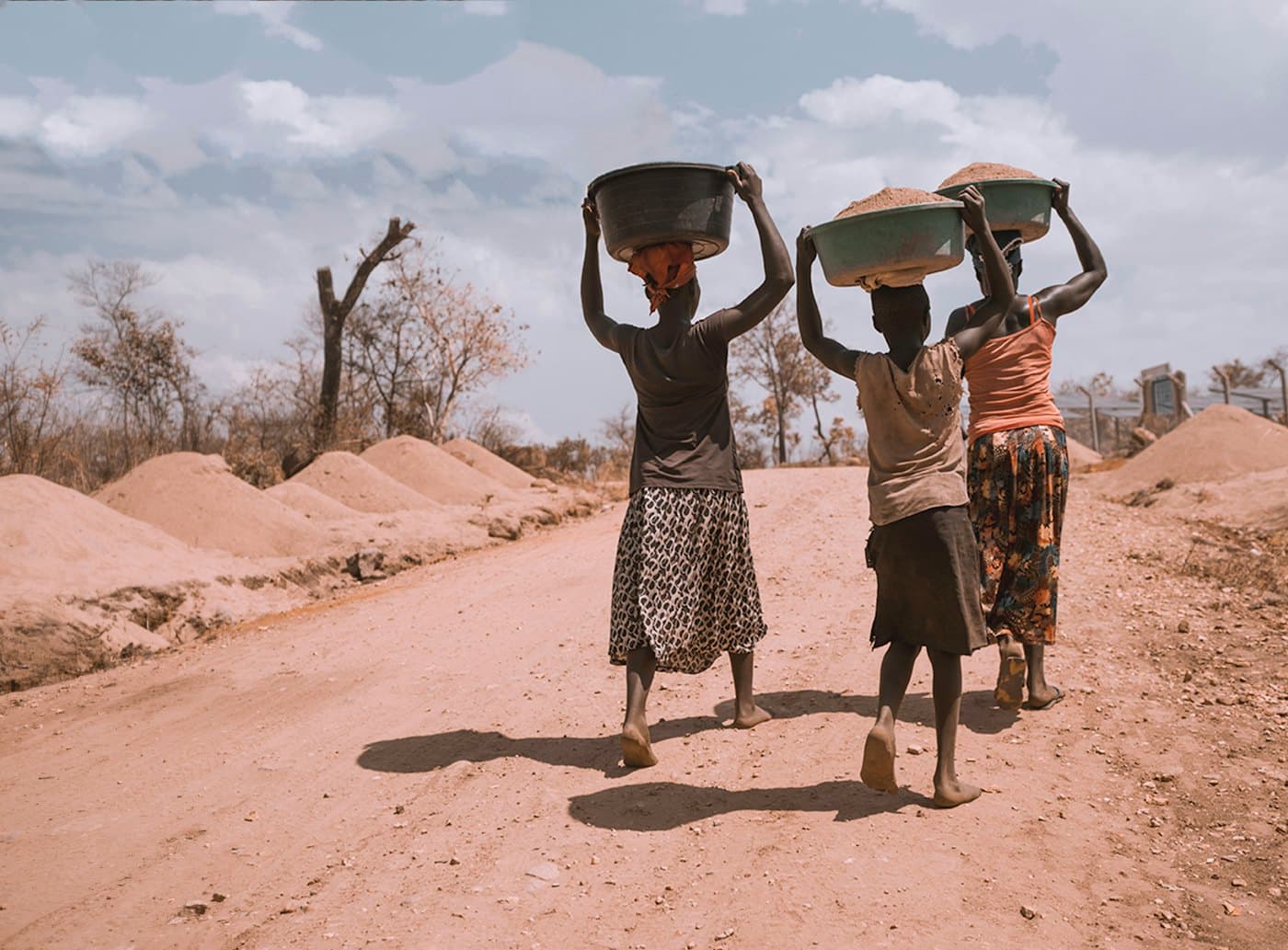
Illustrative photo: Ninno JackJr / Unsplash
If you want to donate to clean water wells in Africa, you want more than a photo of a new pump. You want a well that still works in ten years. This guide explains how borehole projects really work, what they cost, and how to fund one safely from the United States.
We'll also show you how to give through GiveToAfrica, a registered 501(c)(3) nonprofit. In short, you choose a water cause, your gift is recorded against it, and you receive a field report on what was drilled, repaired and tested.
Why clean water in Africa still needs donors
Safe water has improved worldwide. However, the gap is still enormous. According to WHO and UNICEF, 1 in 4 people on Earth, about 2.1 billion people, still lack safely managed drinking water (WHO/UNICEF, 2025). Rural communities are among those furthest behind.
In many villages, from rural Uganda to northern Ghana, women and girls still walk to rivers, ponds or hand-dug pits. That walk can take hours. Moreover, the water they carry home is often shared with animals and full of disease.
As a result, children miss school because they are sick or because they are fetching water. Similarly, mothers lose hours every day that could go into farming, trading or caring for their families.
Therefore, a reliable water point close to home changes far more than thirst. It changes health, school attendance and household income at the same time.
Why donate to clean water wells through GiveToAfrica
Many water appeals ask for a single amount and show a single photo. We work differently. Instead, the wells and boreholes page shows the full budget, line by line, before you give.
For instance, drilling and casing take about 48% of the budget. Meanwhile, the survey and water testing take 10%, and the pump and apron take 17%. Finally, 15% goes to water committees and local mechanics, and 10% to monitoring and your report.
Additionally, GiveToAfrica is a registered 501(c)(3) nonprofit, EIN 27-3982730. Consequently, gifts from US donors are tax-deductible to the extent allowed by law. Your email receipt arrives as soon as your payment clears.
Most importantly, we report back. Every quarter, donors receive a field report showing which water points were built, what they cost and how many still work. You can read why we send field reports and how we work with local partners.
Our Services: water projects you can fund in Africa
Clean water is not one project. Instead, it is a set of connected services. Here are the seven water projects you can fund through GiveToAfrica, each linked to a cause you can give to directly.
Borehole drilling for rural villages in Africa
A drilled borehole reaches water deep underground, below the reach of surface contamination. Our wells and boreholes cause funds a licensed local contractor to drill, case and test each one.
First, a hydrogeological survey picks the site, so we do not drill on guesses. Next, the contractor drills, installs casing and a screen, and tests the water. Then the community builds a concrete apron and drainage around the pump.
A new drilled borehole serving about 500 people costs about $12,000. However, you don't need to fund a whole one. A gift of $50 provides clean water for one person for 10 years.
Hand pump repair and well rehabilitation
Thousands of water points across Africa stand broken. Often, the cause is simple: a worn seal, a cracked pipe or a missing spare part. Therefore, repairing existing wells is one of the most cost-effective water projects you can fund.
Through the same wells and boreholes cause, $500 replaces a hand pump on an existing well. Consequently, a community that had fallen back to the river can drink safe water again within days.
In addition, every project trains a local pump mechanic and stocks spare parts. As a result, the next repair happens locally, without waiting for outside help.
Household water filters for families
Not every village can have a borehole straight away. Meanwhile, families still need safe water today. Our water purification cause puts ceramic and bio-sand filters in homes that drink river or rain water.
A gift of $80 provides household filters for two families of six. Furthermore, trained promoters visit each home to install the filter and teach safe storage. Follow-up visits check that the filters are in use and replace cracked ones.
School latrines and hand-washing stations
Water and sanitation go together. Without a toilet at school, many girls stay home, especially during their periods. For that reason, our sanitation projects cause builds separate, lockable latrine blocks for girls and boys.
Every block includes a hand-washing station with soap and water storage. For example, $60 funds hand-washing stations for two classrooms, and $250 provides menstrual hygiene kits for 50 girls. Similarly, community facilitators help nearby villages build and use their own latrines.
Rainwater tanks for church-run schools
In some areas, groundwater is deep or salty. There, rainwater harvesting can be the best option. Through our faith community development cause, $600 installs a rainwater tank for a church-run school.
Additionally, local churches often run the schools and health posts in their area. Consequently, a tank at a church school serves pupils, teachers and neighbouring families in the dry season.
Emergency water trucking during drought
When the rains fail, water sources dry up quickly. In those weeks, people and livestock can die without outside help. Our drought emergency cause funds water trucking and emergency borehole repairs.
For instance, $70 provides two weeks of trucked water for a family. Meanwhile, $2,000 funds a water trucking run for a whole settlement. After the crisis, the focus moves to longer-term projects such as boreholes and water pans.
Clean water and hygiene after floods
Floods bring a different danger. Wells and latrines are contaminated, and cholera can follow within days. Our flood relief cause gets water purification tablets, jerry cans and hygiene kits to families fast.
A gift of $80 provides water purification tablets and jerry cans for two families for a month. In addition, flood recovery grants help families replace seed and tools once the water goes down.
How to donate to clean water wells in Africa from the USA
There are several ways to fund water projects in Africa. Here are the ones US donors use most.
Give online in a few minutes
The quickest way is our donation page. First, choose a water cause such as wells and boreholes. Next, pick an amount; gifts start at $50. Then complete the secure form. The page shows every payment method currently available.
Give cryptocurrency for clean water
You can also donate Bitcoin, Ethereum, USDT or more than 100 other coins to fund water projects. Simply choose crypto on the donation form. Your gift is recorded against the water cause you chose, and your receipt follows automatically.
Fund a whole borehole in someone's name
Some donors want to fund a complete borehole, often in memory of a loved one or to mark a family milestone. If you would like to fund a full borehole, contact us first. We will explain the costs and how the dedication is recorded in the field report.
Give through a donor-advised fund or your IRA
If you hold a donor-advised fund, you can recommend a grant to GiveToAfrica using EIN 27-3982730. Write "wells and boreholes" in the grant note, and we will record it against that cause.
Similarly, if you are 70½ or older, a qualified charitable distribution from your IRA may be an option. However, contact us before instructing your custodian, so we can confirm the details.
Ask your employer to match your gift
Many companies match their employees' donations. Add your employer's name on the donation form, and we will handle the paperwork. Companies can also sponsor a full water project; see our company giving page.
Funding clean water in Africa from across the United States
You can fund water projects in Africa from any state. Still, water means something different depending on where you live.
Donors in Texas, Arizona and the Southwest
In West Texas, Arizona and New Mexico, many families know drought and water restrictions first-hand. Therefore, Southwest donors often understand quickly why a dry-season water point matters. Many support drought emergency relief as well as permanent wells and boreholes.
Donors around the Great Lakes and the Midwest
Near Lake Michigan, from Chicago to Milwaukee, clean water can feel unlimited. However, Midwest communities also remember lead-pipe crises close to home. As a result, many donors in Michigan, Illinois and Ohio care deeply about water quality, and they often choose water purification filters and tested boreholes.
Donors in New York, New Jersey and the Northeast
From Manhattan offices to suburban New Jersey, many Northeast donors give through workplace matching programs. Consequently, a single gift can often be doubled. Faith communities across the region also fund wells together; you can volunteer with us to organise a group fundraiser.
Donors in California and the Pacific Northwest
California knows long droughts, and Seattle and Portland have strong traditions of environmental giving. Similarly, many West Coast donors give cryptocurrency. They often fund sanitation projects and school latrines alongside boreholes.
What clean water changes in an African community
A new water point is not the end goal. Instead, it is the start of changes that ripple through a whole village. Here is what we measure and report on over the following months.
Healthier children and fewer clinic visits
Dirty water spreads diarrhoea, typhoid and cholera. Young children are hit hardest, because a few days of illness can quickly lead to malnutrition. Therefore, safe water is one of the simplest ways to protect a child's health.
Additionally, clean water makes every other health programme work better. For example, clinics funded through our medical clinics cause need safe water for deliveries and hand-washing. Likewise, maternal and child health workers teach mothers to use clean water for newborn care.
More girls in school
When water is far away, fetching it often falls to girls. As a result, many arrive at school late and tired, or miss class altogether. A water point near home gives those hours back.
Similarly, school latrines and hand-washing stations make it possible for girls to stay in class during their periods. For that reason, many donors pair a water gift with school meals or keeping children in school. Together, they remove the main reasons children drop out.
Time and income for women
In many rural homes, women carry the heaviest load of water collection. Consequently, a borehole close to home frees several hours a day. Many women use that time to farm, trade or run a small business.
In fact, water and livelihoods often grow together. A reliable water source can support a vegetable garden, a small poultry project or a tea stall. If you want to build on that, you can also fund small business grants for women in the same communities.
Food security in the dry season
Water also means food. Where a borehole or water pan holds water through the dry months, families can keep livestock alive and grow vegetables. Therefore, water projects work hand in hand with agriculture and drought resilience programmes.
Meanwhile, communities that manage their own water committees often go on to organise savings groups and farming cooperatives. In other words, the skills learned around a well carry over into other parts of village life.
How to choose a clean water charity in Africa
Not every water charity is equally transparent. Before you give, ask four questions. Is the charity registered? Does it survey before drilling? Who repairs the pump when it breaks? Will it tell you how many water points still work a year later?
We answer each of those on the wells and boreholes page. For more detail, read what goes into a borehole, and why the cost varies. You can also read our wider guide on how to choose a charity working in Africa.
Additionally, you can check any US charity's registration in the IRS Tax Exempt Organization Search. For GiveToAfrica, search for EIN 27-3982730.
What happens after you fund a water project
First, your receipt arrives by email as soon as your payment clears. Next, your gift is pooled with other gifts to the same water cause and released to the local partner in stages.
Subsequently, field staff visit each site. They check the depth, the pump and the water test results. Finally, every quarter, you receive a field report showing the water points built or repaired, what they cost, and how many are still working at 3, 6 and 12 months.
If a water cause becomes fully funded, extra gifts go to the next round of the same programme. Therefore, your gift always funds the kind of water work you chose. See our terms and refunds for the details.
Contact GiveToAfrica about water projects
We accept donations from all 50 US states and from supporters worldwide. The work is carried out by vetted local partners across Africa, in the clean water causes and all 38 causes on this site.
Have a question before you give? Email info@givetoafrica.net, use our contact form, or tap the WhatsApp button on this page. We reply to every message within two working days.
Frequently asked questions
How much does it cost to build a well in Africa?
A new drilled borehole serving about 500 people costs around $12,000 in our current budget. Costs vary with depth, rock type and access. Repairing an existing well is much cheaper; a hand pump replacement costs about $500.
Can I donate to clean water in Africa for less than the cost of a well?
Yes. Gifts start at $50, which provides clean water for one person for 10 years. Your gift is pooled with other donors' gifts to the same water cause and spent against its budget.
Are donations for water wells in Africa tax-deductible?
Yes. GiveToAfrica is a registered 501(c)(3) nonprofit, EIN 27-3982730, so gifts from US donors are tax-deductible to the extent allowed by law. Your email receipt is valid for your tax records.
How do you keep wells working after they are built?
Every project trains a local water committee and a pump mechanic, and stocks spare parts. Users pay a small fee into a repair fund. We also check each water point at 3, 6 and 12 months and report the results.
Can I donate to clean water in Africa with Bitcoin?
Yes. Choose crypto on the donation form to give Bitcoin, Ethereum, USDT or more than 100 other coins. Your gift is recorded against the water cause you chose, and your receipt is emailed once the payment confirms.
Ready to fund clean water in Africa?
Now you know how water projects work and where your money goes. Choose the project that matters most to you, from boreholes to household filters. Alternatively, give where it is needed most today.
If you have a question first, contact our team. We would be glad to help you choose.
Donate directly to a cause in this guide
Choose a cause and your gift goes straight to it. Gifts start at $50, and are tax-deductible in the United States.
Clean water
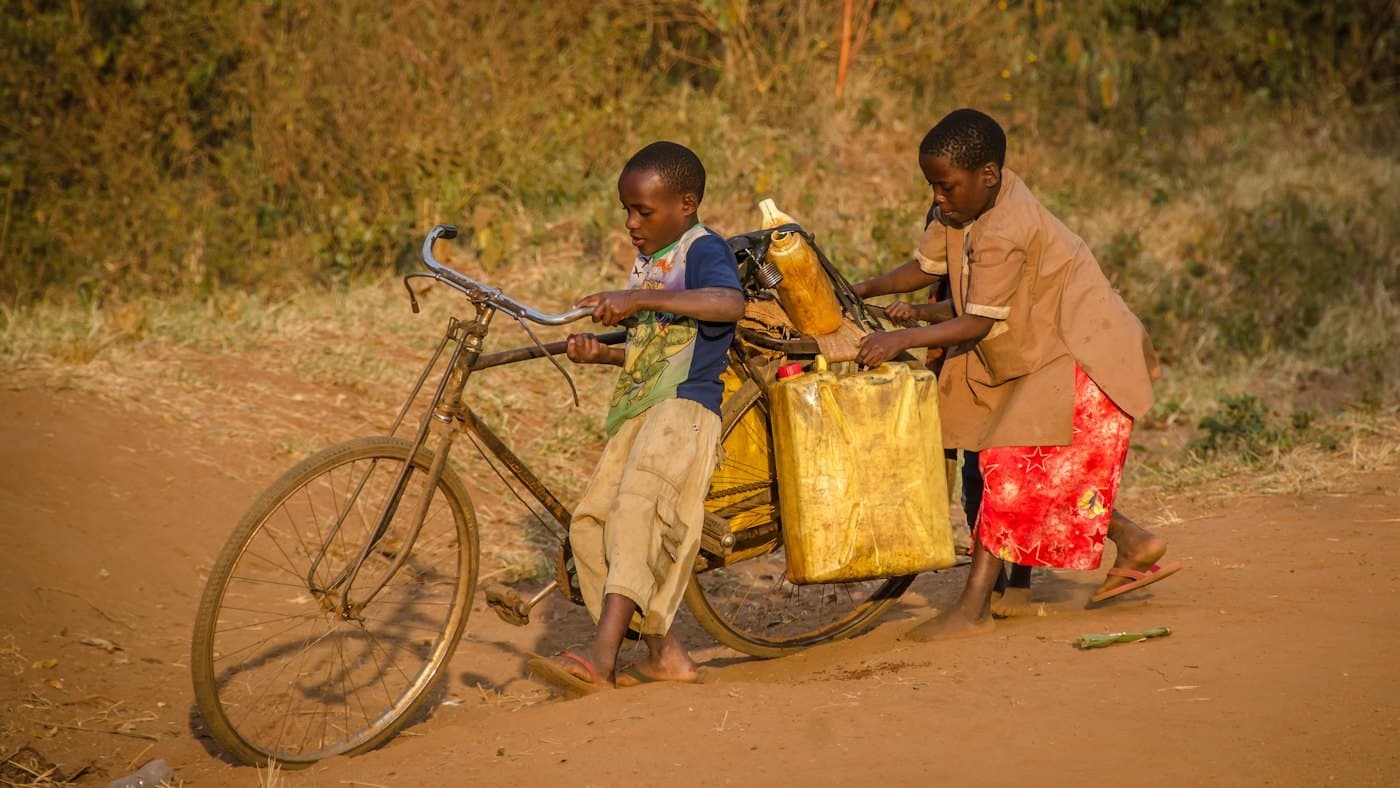
Wells and boreholes
Drill a borehole and end the daily walk for water.
Donate to wells and boreholes$0 raised of $72,000
0%
$72,000 to go. Be the first to give.
Clean water
Water purification
Household filters that make river and rain water safe to drink.
Donate to water purification$0 raised of $60,000
0%
$60,000 to go. Be the first to give.
Clean water
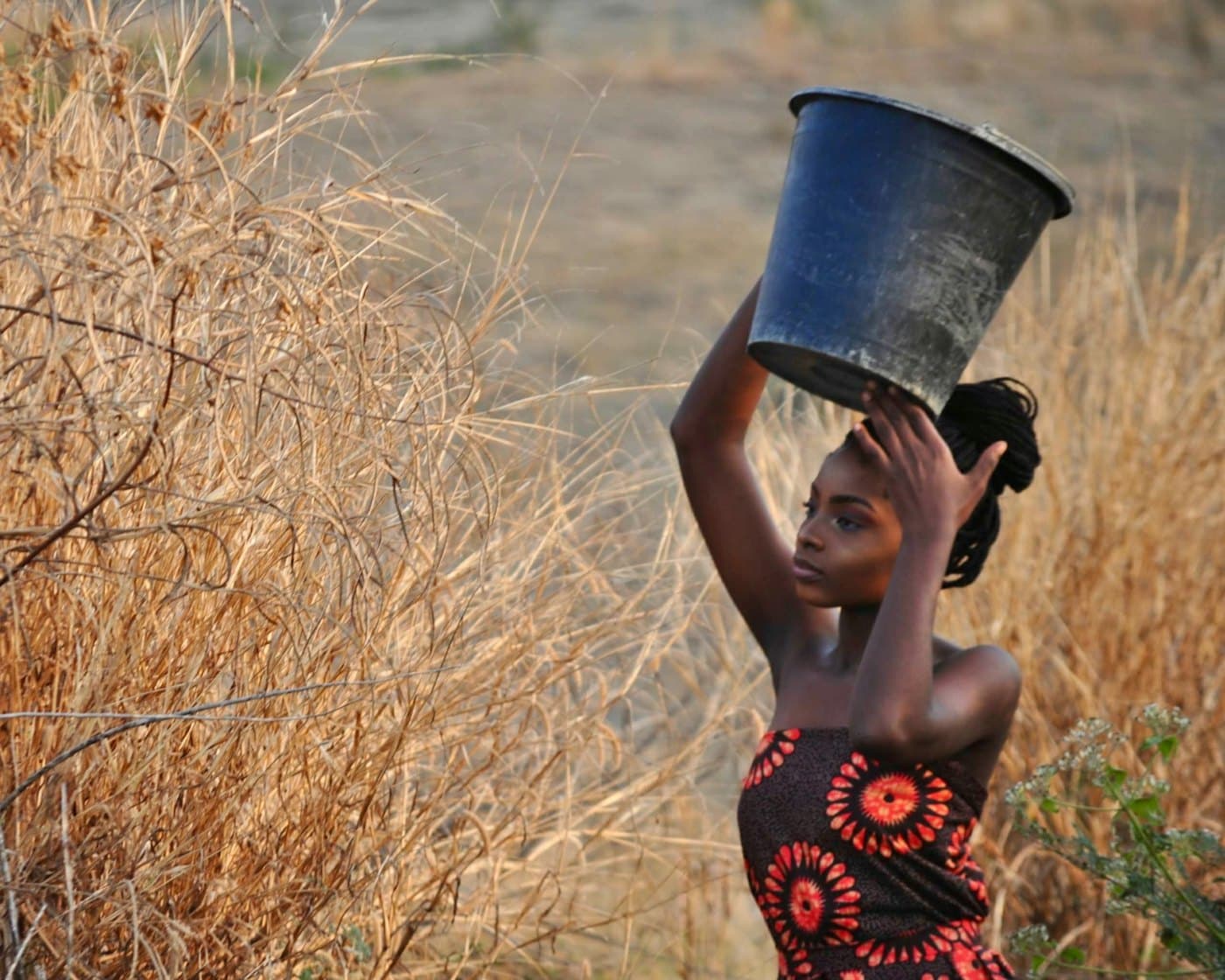
Sanitation projects
Toilets and handwashing stations for schools and villages.
Donate to sanitation projects$0 raised of $55,000
0%
$55,000 to go. Be the first to give.
Disaster and humanitarian relief
Drought emergency response
Water trucking, food and livestock support when the rains fail.
Donate to drought emergency response$0 raised of $65,000
0%
$65,000 to go. Be the first to give.
More stories
- Best 501(c)(3) Charities to Donate to Clean Water Wells in Africa: What to Look For in 2026
How to find the best 501(c)(3) charities to donate to clean water wells in Africa. Eight criteria that separate lasting water projects from broken pumps, and how GiveToAfrica measures up.
- How to Donate to Africa from the USA: Every Way to Give, and Where Your Money Goes
A practical guide to donate to Africa from anywhere in the United States. Choose a cause, give tax-deductibly to a 501(c)(3), and see exactly what your gift does.
- How to Sponsor a Child Through School in Rural Kenya Securely: A Safe, Tax-Deductible Guide
How to sponsor a child through school in rural Kenya securely: what school actually costs, how to avoid sponsorship scams, how fees reach schools safely, and how to give tax-deductibly from the US.