How to Choose a Charity for Africa: 7 Checks Before You Give to a 501(c)(3)
How to choose a charity for Africa you can trust. Seven practical checks, from IRS registration and ratings to budgets, local partners and reporting, with what a good answer looks like.
GiveToAfrica team · · Updated · 11 min read
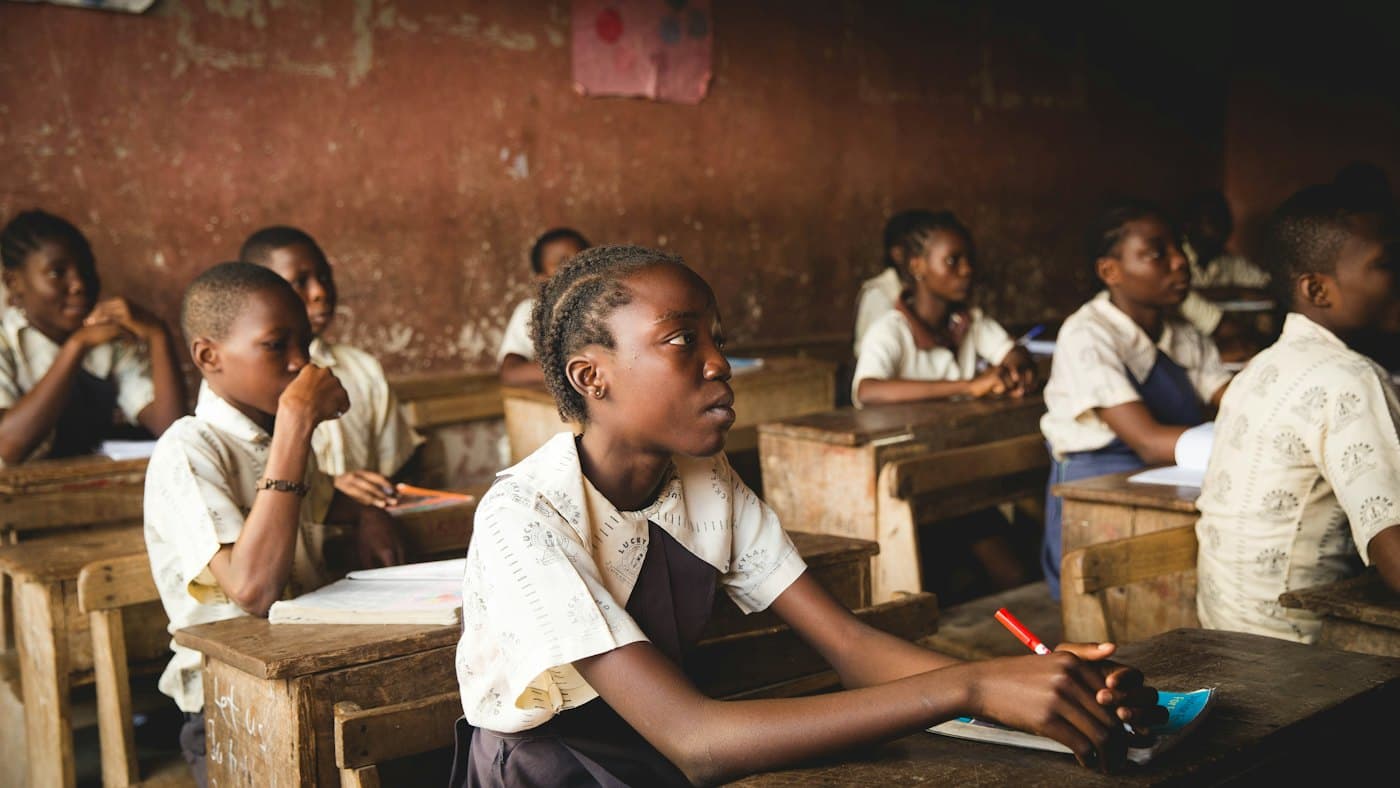
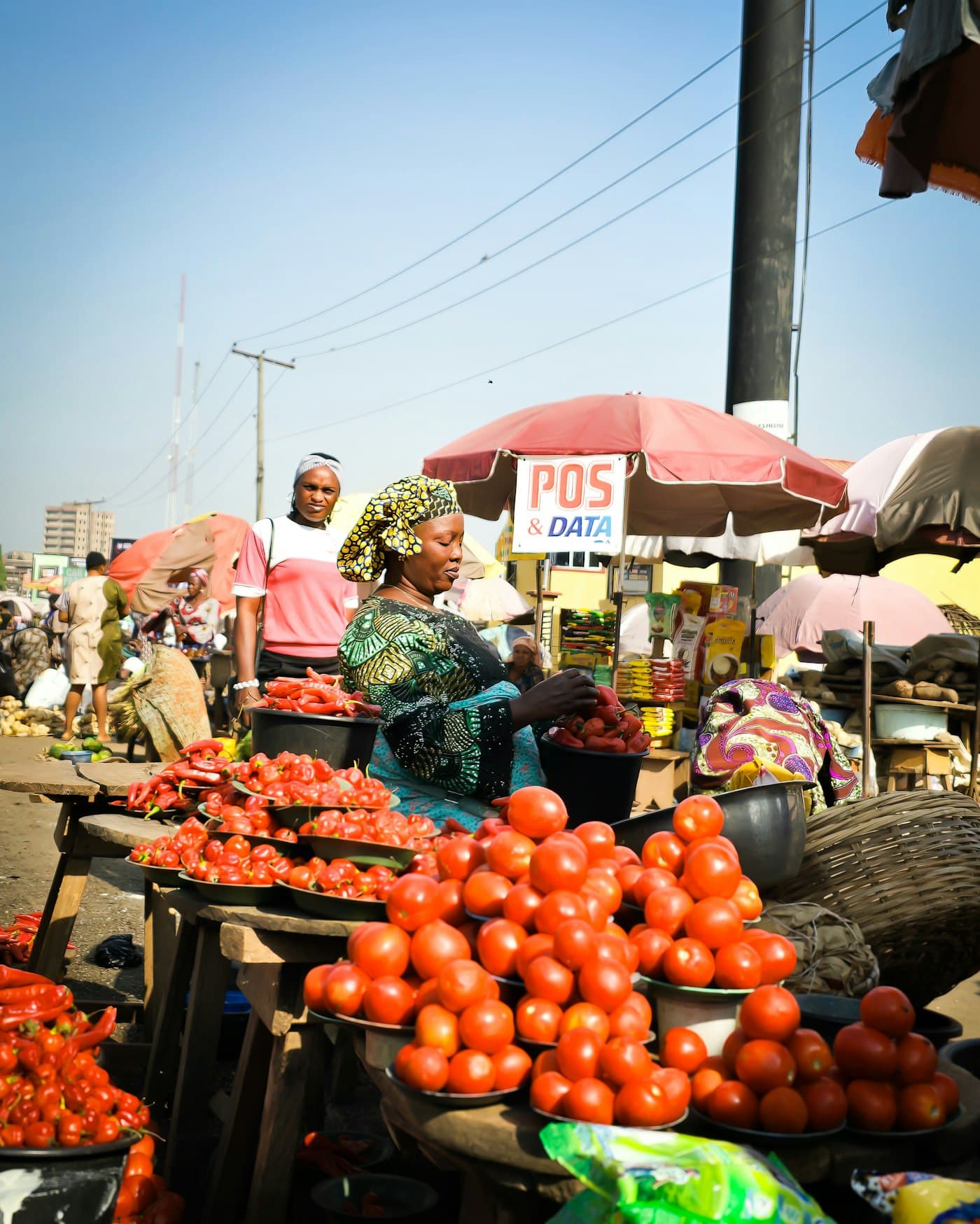
Illustrative photo: Doug Linstedt / Unsplash
If you want to choose a charity for Africa, you face a real challenge. There are thousands of organisations asking for money to help African communities. Most mean well. However, far fewer can tell you, in plain numbers, what your gift actually did. This guide gives you seven practical checks to tell them apart, including us.
We'll explain what each check means, how to do it in a few minutes, and what a good answer sounds like. Along the way, we'll show how GiveToAfrica, a registered 501(c)(3) nonprofit, answers each question, so you can judge us by the same standard.
Why choosing the right charity for Africa matters
Your gift can do an enormous amount of good. For example, $50 can provide clean water for one person for ten years through a well-run borehole project. However, the same $50 given to a poorly run organisation might achieve very little.
The difference usually comes down to three things. First, whether the charity knows what things cost. Second, whether local people do the work. Third, whether anyone checks that the work was done. Consequently, a few minutes of research before you give can multiply your impact.
Moreover, choosing well protects you and the communities you want to help. Scams do exist, especially after disasters and in crypto giving. Therefore, basic checks help you give with confidence.
How GiveToAfrica approaches these checks
We built our site around the questions careful donors ask. Every cause lists what each gift buys, how the budget is split, the targets we report against, and a live countdown to its funding deadline. For instance, the wells and boreholes page shows each line of the budget, from drilling to local mechanics.
Additionally, GiveToAfrica is a registered 501(c)(3) nonprofit, EIN 27-3982730. Consequently, gifts from US donors are tax-deductible to the extent allowed by law.
However, we are a newer charity, and we don't want to overstate anything. Where we don't yet have something, such as published annual accounts for a full financial year, we say so on our how we work page. We think that honesty is itself something you should look for.
Our Services: seven checks before you choose a charity for Africa
Here are the seven checks we recommend. Each one takes only a few minutes, and together they give you a clear picture of whether a charity is run well. You don't need special knowledge; you only need to know what to look for.
Check 1: Is the charity registered?
In the United States, a charity that gives you a tax-deductible receipt should be recognised by the IRS as tax-exempt. You can check any organisation's status for free in the IRS Tax Exempt Organization Search.
Search by name or EIN. For example, you can search for GiveToAfrica using EIN 27-3982730. If a charity won't tell you its EIN, be cautious.
In addition, many states require charities that fundraise to register with the state. Your state attorney general's website usually lets you check this too.
Check 2: Can it tell you what a gift buys?
A good charity can link a sum of money to something real: a term of school fees, a month of meals, a share of a borehole. The figure is an estimate. However, it should rest on real costs from real projects, and it should be updated when costs change.
Be wary of vague promises like "$10 changes a life". Your money does change lives. Nevertheless, a charity that can't be more specific than that probably doesn't track where it goes.
On our site, every cause lists three gift amounts and what each buys. For example, $70 provides two months of food for a child in orphan care.
Check 3: Does it publish a budget?
Beyond gift amounts, look for how the money is split. How much goes to the programme itself, and how much to staff, transport and monitoring?
For instance, our medical clinics page shows 35% for medicines and supplies, 30% for staff, 15% for outreach, 10% for equipment and 10% for monitoring and reporting. Consequently, you can see exactly how a $100 gift would be used.
Be careful with extremely low overhead claims, though. Some costs, such as checking the work and reporting back, are essential. A charity that spends nothing on them may not know whether its work succeeds.
Check 4: Who does the work on the ground?
The most effective projects are usually run by local organisations. These are people who speak the language, know the community and will still be there in five years. Therefore, ask whether the charity works through local partners, and how it chooses them.
Good answers mention checks on registration, bank details and past accounts, plus in-person visits before any money moves. We describe our own partner checks on our how we work page.
Check 5: How does it check the work was done?
Money sent is not the same as work delivered. Look for three things. First, site visits by staff who are independent of the local partner. Second, counted outputs, such as wells drilled, children enrolled and clinics supplied. Third, measured results, such as water tested, attendance recorded and children who stayed healthy.
Similarly, look for money released in stages, with each payment following proof that the last stage was delivered. That is how we fund projects such as school construction, where an independent engineer inspects each building stage.
Check 6: Will it tell you what happened?
Ask whether you will hear back after you give, and what you will hear. A thank-you email is not a report. By contrast, a real report says what was delivered, where, what it cost and what didn't go to plan.
Every GiveToAfrica donor receives a quarterly field report on their cause. You can read why we send field reports, including why we report setbacks as well as successes.
Check 7: What happens if a project is fully funded, or fails?
Things go wrong: a drill hits dry rock, a flood cuts off a road, prices rise. A trustworthy charity tells you, explains what it did with the money instead, and doesn't hide the setback behind a success story.
Similarly, ask what happens to extra money when a project is fully funded. Our terms explain that extra gifts go to the next round of the same programme, and we say so in the report.
A five-minute checklist to choose a charity for Africa
If you only have five minutes, here is the short version. First, search the charity's EIN in the IRS database. Next, open one of its project pages and look for a specific gift amount and a budget. Then look for who does the work locally. After that, check whether it promises a report after you give. Finally, check its refund policy.
If a charity passes all five, you can choose it with reasonable confidence. On the other hand, if it fails two or more, keep looking. In other words, a few quick checks are enough to choose a charity for Africa you can trust.
Questions to ask a charity directly, and good answers
Sometimes the best check is simply to ask. A good charity will be glad you did. Here are four questions, with the kind of answer to look for.
"What exactly would my $100 buy?"
A good answer names something concrete, such as "two months of food for a child in orphan care, with money left for caseworker visits". A weak answer is a slogan, or a figure with no explanation of how it was worked out.
"Who delivers the work, and how do you check it?"
A good answer names the type of local partner, explains how they were chosen, and describes independent site visits by people who don't work for the partner. A weak answer is "our team on the ground" with no detail.
"What happened on a project that went wrong?"
A good answer describes a real setback and what the charity did about it. By contrast, a charity that claims nothing ever goes wrong is either very new or not being candid.
"What will I hear after I give?"
A good answer describes a regular report with numbers, not just a thank-you email. For example, we send every donor a quarterly field report.
Why transparency matters more than size
Big charities are not always better, and small ones are not always riskier. Instead, what matters most is transparency: whether a charity shows you its costs, its partners and its results.
Therefore, when you choose a charity for Africa, favour the one that tells you the most, not the one with the biggest advertising budget. Transparency is also the best predictor that your gift will be used well, because charities that measure carefully tend to manage carefully.
What about charity ratings and seals?
Independent evaluators can be a useful starting point. For example, Candid (formerly GuideStar) offers transparency seals to charities that share information about their work. Charity Navigator rates many larger charities on accountability and impact. Meanwhile, the BBB Wise Giving Alliance assesses charities against a set of standards.
However, ratings have limits. Many newer and smaller charities, including GiveToAfrica, are not yet rated, simply because they are new or small. Conversely, a high rating doesn't tell you whether a specific project is right for you.
Therefore, use ratings as one signal among several. The seven checks above work for any charity, rated or not. If a charity is rated, look at the details behind the score, not just the stars.
Warning signs to watch for
Most charities are honest. Still, a few warning signs should make you pause. First, pressure to give immediately, especially by gift card, wire or crypto to an address sent by a stranger. Second, a refusal to share an EIN or registration details. Third, no clear explanation of what a gift buys. Finally, emotional appeals with no information about results.
In addition, be cautious after disasters, when fake appeals often appear on social media. Instead of responding to an unsolicited message, go directly to a charity's own website. Our guide to emergency relief in Africa explains more.
Choosing a charity for a specific cause
The seven checks apply everywhere. However, each cause has its own questions worth asking.
Clean water
Ask whether the charity surveys before drilling, and who repairs the pump when it breaks. Our guide to clean water wells in Africa explains why these matter.
Children and education
Ask whether fees are paid directly to schools, and how children's privacy is protected. See our guides to sponsoring a child in Africa and donating to education in Africa.
Health
Ask whether the charity funds proven tools, such as nets, tests and trained staff, and whether it follows up. Our guide to donating to healthcare in Africa covers this in detail.
Livelihoods
Ask whether businesses are still trading a year later, and what loan repayment rates are. See our guide to small business grants for women in Africa.
How to give once you've chosen
Once you have chosen a charity for Africa, the next step is choosing how to give. For example, you can give online by card or crypto, monthly, or through a donor-advised fund or IRA. Our complete guide on how to donate to Africa covers every option.
If you choose GiveToAfrica, simply pick a cause from all 38 causes and give on our donation page. Gifts start at $50, and your receipt arrives by email.
Choosing a charity for Africa from across the United States
Donors in every state face the same question. Here are a few regional resources worth knowing.
Check your state's charity register
Many states, such as New York and California, publish searchable registers of charities that fundraise there. Consequently, your state attorney general's website is a good second check after the IRS.
Community foundations
Across the country, from the Chicago Community Trust to local foundations in Texas, Georgia and Minnesota, community foundations often vet charities for their donors. If you give through one, ask their staff for advice.
Diaspora networks
In Houston, Atlanta, Washington, DC, and Minneapolis, African diaspora associations often know which organisations work well in their home regions. Therefore, they can be a valuable source of local knowledge.
Workplace giving teams
Many employers vet charities before adding them to matching programmes. As a result, your HR or giving team may already have checked a charity for you. See our guide to company matching and corporate giving.
Your financial adviser or DAF sponsor
If you work with a financial adviser, ask whether they have a process for reviewing charities. Similarly, donor-advised fund sponsors check a charity's registration before approving any grant. Consequently, giving through a DAF adds an extra layer of checking. Read our guide to donating to Africa with a donor-advised fund for how it works.
Contact GiveToAfrica
We welcome every question on this list. In fact, we would rather you asked than gave without being sure. Email info@givetoafrica.net, use our contact form, or tap the WhatsApp button on this page. We reply within two working days. See our privacy policy for how we handle your details.
Frequently asked questions
How do I know if a charity for Africa is legitimate?
Check its registration in the IRS Tax Exempt Organization Search using its name or EIN. Then check that it can explain what a gift buys, publishes a budget and reports results.
What is GiveToAfrica's EIN?
Our EIN is 27-3982730. You can confirm our registration in the IRS Tax Exempt Organization Search.
Is a charity with low overhead always better?
Not necessarily. Some costs, such as checking the work and reporting back, are essential to know whether a project succeeds. Look for a clear budget rather than the lowest possible overhead figure.
Is GiveToAfrica rated by Charity Navigator or Candid?
Not yet. As a newer charity, we are not yet rated. Instead, we publish each cause's budget, targets and gift amounts, and send every donor a quarterly field report.
What should I do if an appeal seems suspicious?
Don't respond to the message directly. Instead, go to the charity's own website, check its registration, and contact it through its published details before giving.
Ready to choose a charity for Africa?
Use the seven checks above on any charity, including us. When you're ready, browse all 38 causes or give where it is needed most. If you have a question first, contact our team.
Donate directly to a cause in this guide
Choose a cause and your gift goes straight to it. Gifts start at $50, and are tax-deductible in the United States.
Children's welfare
Orphan care
Keep orphaned children with family, fed, in school and looked after.
Donate to orphan care$0 raised of $60,000
0%
$60,000 to go. Be the first to give.
Children's welfare
Keep children in school
Fees, uniforms and supplies for children about to drop out.
Donate to keep children in school$0 raised of $45,000
0%
$45,000 to go. Be the first to give.
Healthcare
Medical clinics
Staff, stock and equip rural clinics that serve whole districts.
Donate to medical clinics$0 raised of $90,000
0%
$90,000 to go. Be the first to give.
Women's empowerment
Small business grants for women
Grants and coaching for women starting a business.
Donate to small business grants for women$0 raised of $85,000
0%
$85,000 to go. Be the first to give.
More stories
- Best 501(c)(3) Charities to Donate to Clean Water Wells in Africa: What to Look For in 2026
How to find the best 501(c)(3) charities to donate to clean water wells in Africa. Eight criteria that separate lasting water projects from broken pumps, and how GiveToAfrica measures up.
- Donate to Clean Water Wells in Africa: How Borehole Projects Work and What Your Gift Funds
How to donate to clean water wells in Africa through a 501(c)(3). See what a borehole costs, what keeps it working, and fund a water project directly.
- How to Donate to Africa from the USA: Every Way to Give, and Where Your Money Goes
A practical guide to donate to Africa from anywhere in the United States. Choose a cause, give tax-deductibly to a 501(c)(3), and see exactly what your gift does.