Sponsor a Child in Africa: Child Sponsorship, Orphan Care and Keeping Children in School
How to sponsor a child in Africa through a 501(c)(3): child sponsorship, orphan care, school fees, meals and health checks. See what monthly sponsorship provides and how children are protected.
GiveToAfrica team · · 11 min read
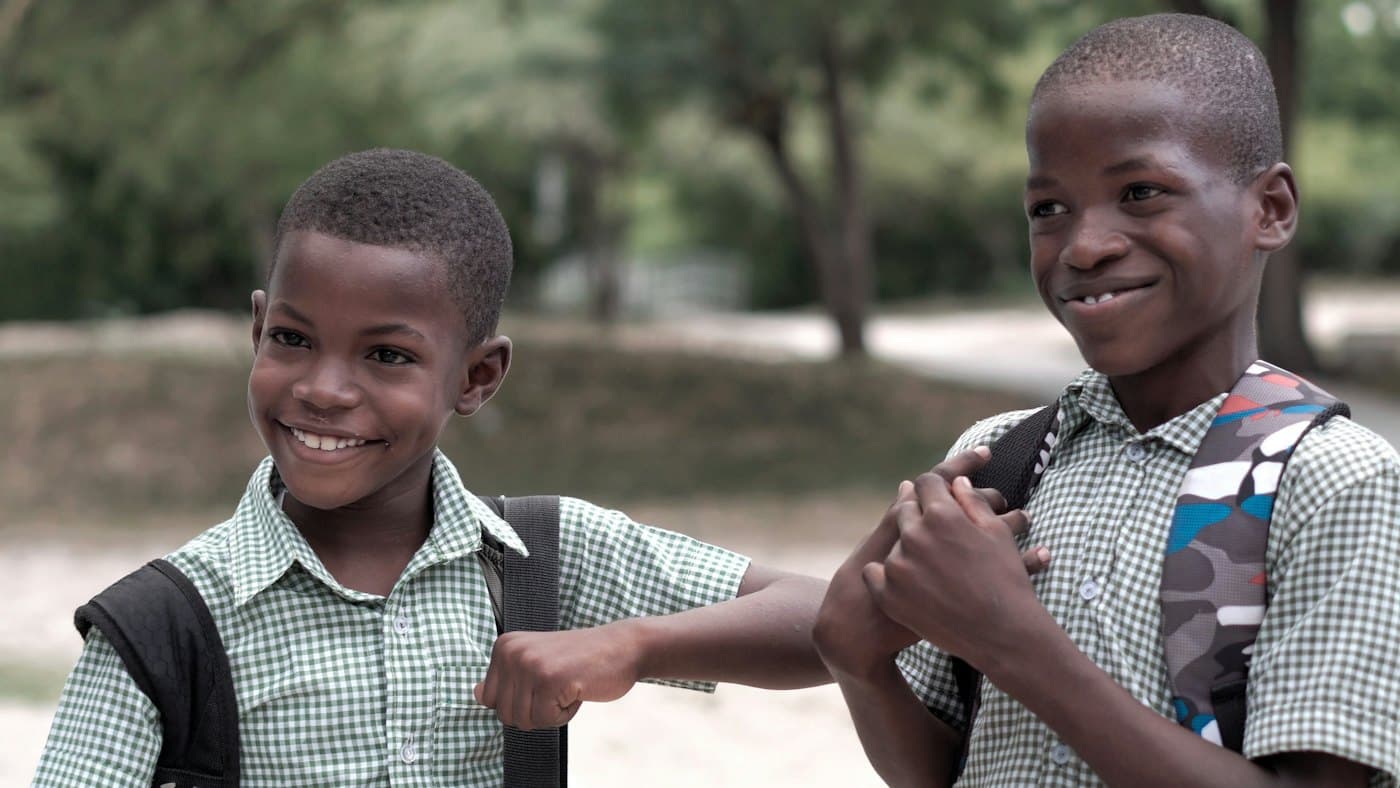
Illustrative photo: TopSphere Media / Unsplash
If you want to sponsor a child in Africa, you want your support to change a real child's life: school, health, food and a safe home. This guide explains how child sponsorship works, what it costs, how children are protected, and how to choose a programme you can trust.
We'll also show how to sponsor a child through GiveToAfrica, a registered 501(c)(3) nonprofit, EIN 27-3982730. You choose a children's cause, your gift is recorded against it, and every quarter you receive a field report on how the children in the programme are doing.
Why sponsor a child in Africa
Millions of children in Africa miss out on the basics that give a child a fair start. For example, UNESCO reports that sub-Saharan Africa is home to more than half of all the world's out-of-school children and young people (UNESCO GEM Report).
The reasons are often simple and affordable to fix. For instance, a family can't pay school fees, a child arrives at school hungry, or a child has lost a parent and is being raised by a grandmother with no income. Consequently, steady support at the right moment can keep a child in school and healthy for years.
Moreover, children who finish school go on to earn more, marry later and raise healthier families. Therefore, sponsoring a child is also an investment in the next generation. In fact, many sponsored children later become the teachers, nurses and business owners who support their own communities.
How child sponsorship works with GiveToAfrica
Child sponsorship can mean different things. Some organisations match you with one named child and exchange letters and photos. Others pool sponsors' gifts to support all the children in a programme.
GiveToAfrica uses the pooled model, for three reasons. First, it protects children's privacy and safety, which matters more than anything. Second, no child is left out because no sponsor chose them. Third, it keeps costs down, so more of your gift reaches children.
In practice, each child in the programme has a named caseworker who tracks their schooling, health and nutrition. Meanwhile, sponsors receive updates on the programme's children as a group, through the quarterly field report. Children's names, photos and locations are never published.
Why sponsor a child through GiveToAfrica
Every children's cause shows its budget, targets and gift amounts before you give. For example, the child sponsorship budget puts 35% into education and 25% into health and nutrition. Meanwhile, 20% pays caseworkers, 12% supports family livelihoods and 8% covers monitoring and reporting.
Additionally, GiveToAfrica is a registered 501(c)(3) nonprofit, EIN 27-3982730. Consequently, gifts from US donors are tax-deductible to the extent allowed by law, and your email receipt arrives as soon as your payment clears.
Most importantly, we measure progress. Our child sponsorship targets include annual health checks for every child and 90% of children progressing a grade each year. You can read why we send field reports and how we work.
Our Services: ways to sponsor and support children in Africa
Children need school, food, health care and a safe family. Here are seven ways you can support children through our children's welfare and related causes.
Child sponsorship
Our child sponsorship cause gives a child a year of steady support: schooling, twice-yearly health checks, deworming, nutrition and a caseworker. Part of the budget also helps parents earn more, so the whole family becomes stronger over time.
For example, $78 covers two months of sponsorship, $117 covers a term, and $468 covers a full year. Our target this round is 300 children sponsored.
Orphan care in family homes
When parents die, children usually move in with relatives who are already stretched. Our orphan care cause keeps these children with family, fed, in school and looked after, rather than in institutions.
For instance, $70 provides two months of food for one child living with a relative. Similarly, $90 buys a school uniform, shoes and a year of supplies, and $400 covers a year of caseworker visits, food and school costs for one child. Our target is 250 children supported.
Keeping children in school
Some children are enrolled but at risk of dropping out. Our keep children in school cause pays fees directly to schools and buys uniforms and supplies.
For example, $50 buys exercise books, pens and school bags for two pupils, and $180 covers a full year of fees and exam costs for one pupil. Our targets include 95% term-to-term retention, with 60% of supported pupils being girls.
School meals
Hungry children can't concentrate, and many stop coming to school altogether. Therefore, our school meals cause serves a hot lunch every school day. A gift of $75 feeds one child for a whole term, and $225 covers a full school year.
Our target is 3,000 children fed daily, with 70% of the food bought from local farmers.
Nutrition for young children
The first years of life matter most for growth. Our nutrition programs cause screens young children for malnutrition and treats those who need it.
For instance, $75 funds screening for 250 children, and $120 buys full courses of therapeutic food for two children. Our target is an 85% recovery rate.
Protecting children from malaria
Malaria is one of the biggest killers of young children in Africa. Through malaria prevention, $50 buys five treated bed nets, delivered and hung in the homes of families with young children.
Scholarships for older students
As children grow, secondary school and university become the next barrier. Our scholarships cause funds bright students from poor families, with a mentor until they graduate. A full year of secondary school costs about $1,100.
A year of child sponsorship, step by step
Here is how a year of sponsorship usually unfolds in the programmes you can fund. It describes the process, not any particular child.
Start of the school year
First, school fees are paid directly to the school, and each child receives a uniform, shoes and supplies. Next, the caseworker visits the family to agree the year's plan and check on any health concerns.
During each term
Then, children receive school lunches where the school meals programme runs, and caseworkers check attendance. If a child misses three days in a row, a mentor visits the family to find out why and help.
Health checks
Twice a year, every child has a health check, including deworming. Consequently, problems such as malnutrition or anaemia are caught early and treated.
End of the year
Finally, the caseworker records each child's progress, such as whether they moved up a grade. These results are combined into the field report you receive, so you can see how the programme's children are doing as a group.
Sponsoring girls in Africa
Girls often face the greatest barriers to finishing school. For example, they may be kept home to fetch water, care for siblings or help earn money. Therefore, several of our children's causes focus on girls.
For instance, our keep children in school cause aims for 60% of supported pupils to be girls, and it provides sanitary kits so girls don't miss school every month. Similarly, our scholarships cause aims for 60% of scholars to be girls. As a result, when you sponsor a child in Africa through these causes, you help close the gap for girls.
What we measure for children
Good sponsorship programmes measure what matters. Here is what we track.
First, attendance: our target is at least 90% school attendance for children in orphan care. Second, progress: our target is 90% of sponsored children moving up a grade each year. Third, health: every sponsored child should have an annual health check. Finally, stability: orphan care aims for 80% of guardians in savings groups, so households become self-reliant.
Every quarter, the field report shows these results for the programme as a whole. Therefore, you can see whether your support is working, not just that it was spent.
How we protect children
Child protection comes before everything else in children's programmes. Children are vulnerable, and any programme that works with them must earn and keep the trust of their families. Therefore, we follow some firm rules.
First, we never publish children's names, photos or locations. The children in our photos are illustrative, not children in our programmes. Second, caseworkers and partners are trained in safeguarding. Third, school fees are paid directly to schools, never in cash to families, so support can't be misused.
In addition, caseworkers visit every household regularly, and our orphan care target is 100% of households visited every month. As a result, problems are noticed and acted on quickly.
Where each dollar goes
When you support orphan care, about 38 cents of every dollar buys monthly food packages. Next, 24 cents pays school costs, and 20 cents pays caseworkers. Finally, 10 cents supports savings groups for guardians, and 8 cents covers monitoring and your report.
Therefore, you know how a $100 gift will be split before you give. Every quarter, the field report compares the plan with what was actually spent.
How much does it cost to sponsor a child in Africa?
In our current budget, a full year of child sponsorship costs $468. Consequently, a monthly gift of $50, our minimum, covers a year of sponsorship with some left over.
Alternatively, you can support a child's specific needs. For example, $225 covers a full year of school lunches, $180 covers a year of school fees and exams, and $90 covers a uniform, shoes and supplies.
If you prefer a single gift, $400 covers a year of caseworker visits, food and school costs for one child in orphan care. Whichever option you choose, your gift is recorded against that cause and reported on every quarter, so you always know what it achieved.
How to sponsor a child in Africa from the USA
Here are the ways US donors most often sponsor children.
Give monthly
Monthly giving is the heart of child sponsorship. On our donation page, choose a cause such as child sponsorship, select "Monthly" and pick an amount from $50. You can cancel any time. Read our guide to monthly giving to Africa.
Give once
If you prefer, give once, for example $468 for a full year of sponsorship. You can also give crypto; see our guide to donating crypto to Africa.
Give from a DAF or IRA
Recommend a donor-advised fund grant using EIN 27-3982730 and write "child sponsorship" in the note. If you are 70½ or older, a qualified charitable distribution from your IRA may also be possible; see our IRA giving guide.
Sponsor as a family, class or church
Families, school classes and churches often sponsor children together. For example, a class can raise $468 over a school year to fund one year of sponsorship. Volunteer with us to organise a group, and we'll send what you need.
Sponsoring children in Africa from across the United States
Donors sponsor children from every state. Here are some patterns we see.
Families in the Midwest and South
Across Ohio, Indiana, Tennessee and the Carolinas, many families sponsor children through their churches. Consequently, orphan care and child sponsorship are popular there.
Teachers and schools nationwide
Many American teachers and school communities sponsor children's schooling in Africa. As a result, school fee and school meal causes often receive gifts from classrooms in every state.
Diaspora families
In Houston, Atlanta, Washington, DC, and Minneapolis, many African diaspora families support children in the communities they come from. Similarly, many add a monthly gift to keep children in school.
Grandparents
Many grandparents feel drawn to children raised by their own grandparents in Africa. Therefore, orphan care is a common choice for retirees, often through an annual IRA gift.
Young professionals on the West Coast
In Los Angeles, San Francisco and Seattle, many young professionals prefer to sponsor a child in Africa with a simple monthly card gift, often matched by their employer. Consequently, a $50 monthly gift can become $100 of support. Many choose school meals or child sponsorship, and some add a year-end gift in crypto.
Families in the Northeast
In New York, New Jersey and New England, many families give children's sponsorships as birthday or holiday gifts in a relative's name. For example, a grandparent might fund a year of school lunches in honour of a grandchild's birthday. As a result, American children learn early about children their own age in Africa.
How to choose a child sponsorship programme
Before you sponsor a child anywhere, ask four questions. Does the programme protect children's privacy? Are school fees paid directly to schools? Does someone check on each child regularly? Will you see results, not just photos?
We answer each of those on our cause pages. For a wider checklist, read how to choose a charity working in Africa. You can also read our guide to sponsoring a family in Africa.
Contact GiveToAfrica
We accept donations from all 50 US states and from supporters worldwide. Have a question before you sponsor? Email info@givetoafrica.net, use our contact form, or tap the WhatsApp button on this page. We reply within two working days. See our privacy policy and terms.
Frequently asked questions
How much does it cost to sponsor a child in Africa?
A full year of child sponsorship costs $468 in our current budget. A monthly gift of $50, our minimum, covers it with some left over.
Can I choose a specific child to sponsor?
No. To protect children's privacy and safety, we use a pooled model. Your gift supports all the children in the programme, each with a named caseworker, and you receive updates on the programme through the quarterly field report.
Is child sponsorship tax-deductible?
Yes. GiveToAfrica is a registered 501(c)(3), EIN 27-3982730, so gifts from US donors are tax-deductible to the extent allowed by law. Your email receipt is valid for your tax records.
Can I sponsor an orphan in Africa?
Yes. Our orphan care cause supports orphaned children living with relatives, with food, school costs and monthly caseworker visits. For example, $400 covers a year of support for one child.
Can I cancel my child sponsorship?
Yes, at any time. Email info@givetoafrica.net and we will cancel a monthly gift the same working day. No further payments are taken.
Ready to sponsor a child in Africa?
Choose a cause from our children's welfare area or all 38 causes, then give on our donation page. If you have a question first, contact our team.
Donate directly to a cause in this guide
Choose a cause and your gift goes straight to it. Gifts start at $50, and are tax-deductible in the United States.
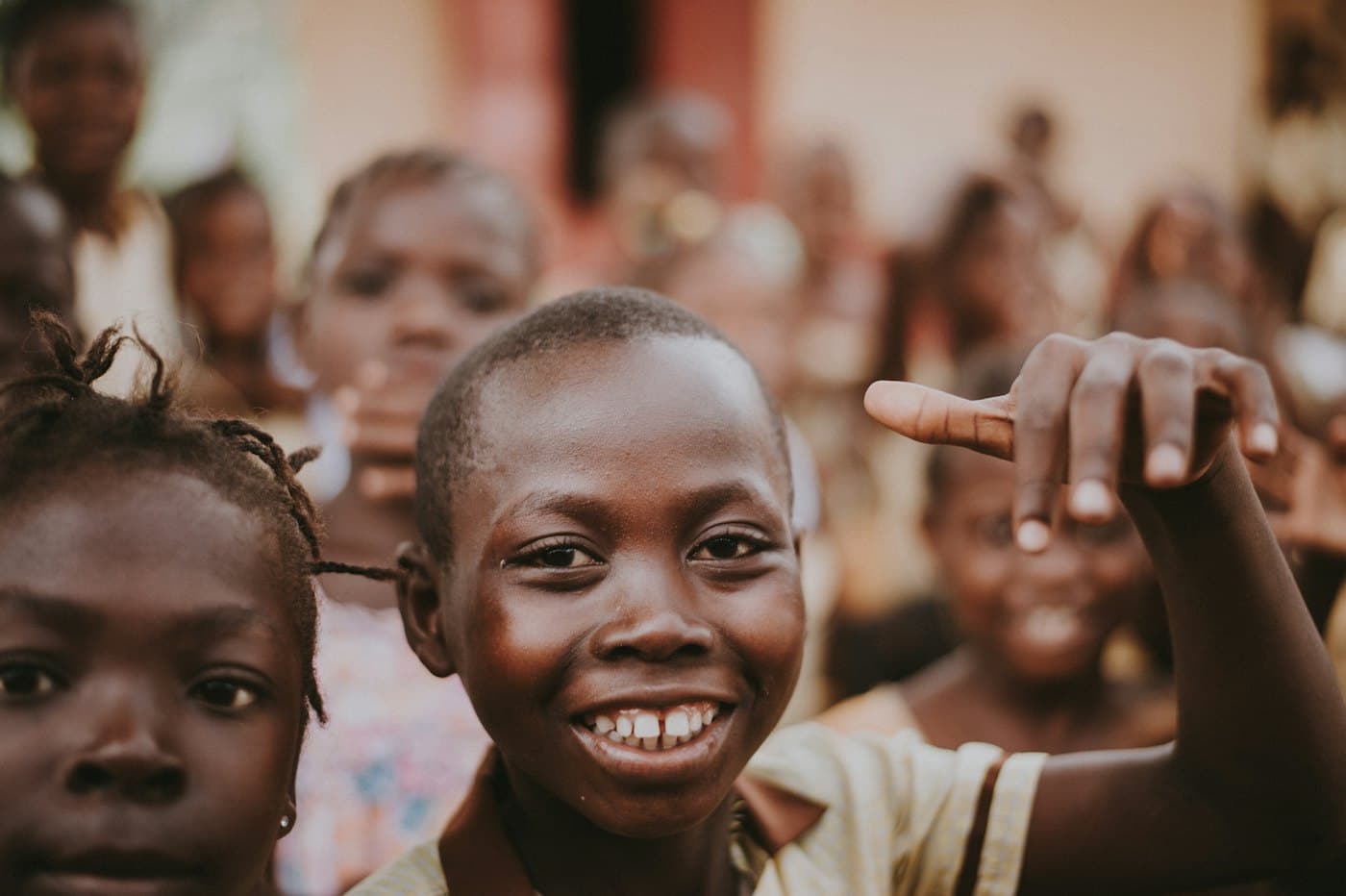
Children's welfare
Child sponsorship
Monthly support for one child's schooling, health and meals, with updates.
Donate to child sponsorship$0 raised of $140,000
0%
$140,000 to go. Be the first to give.
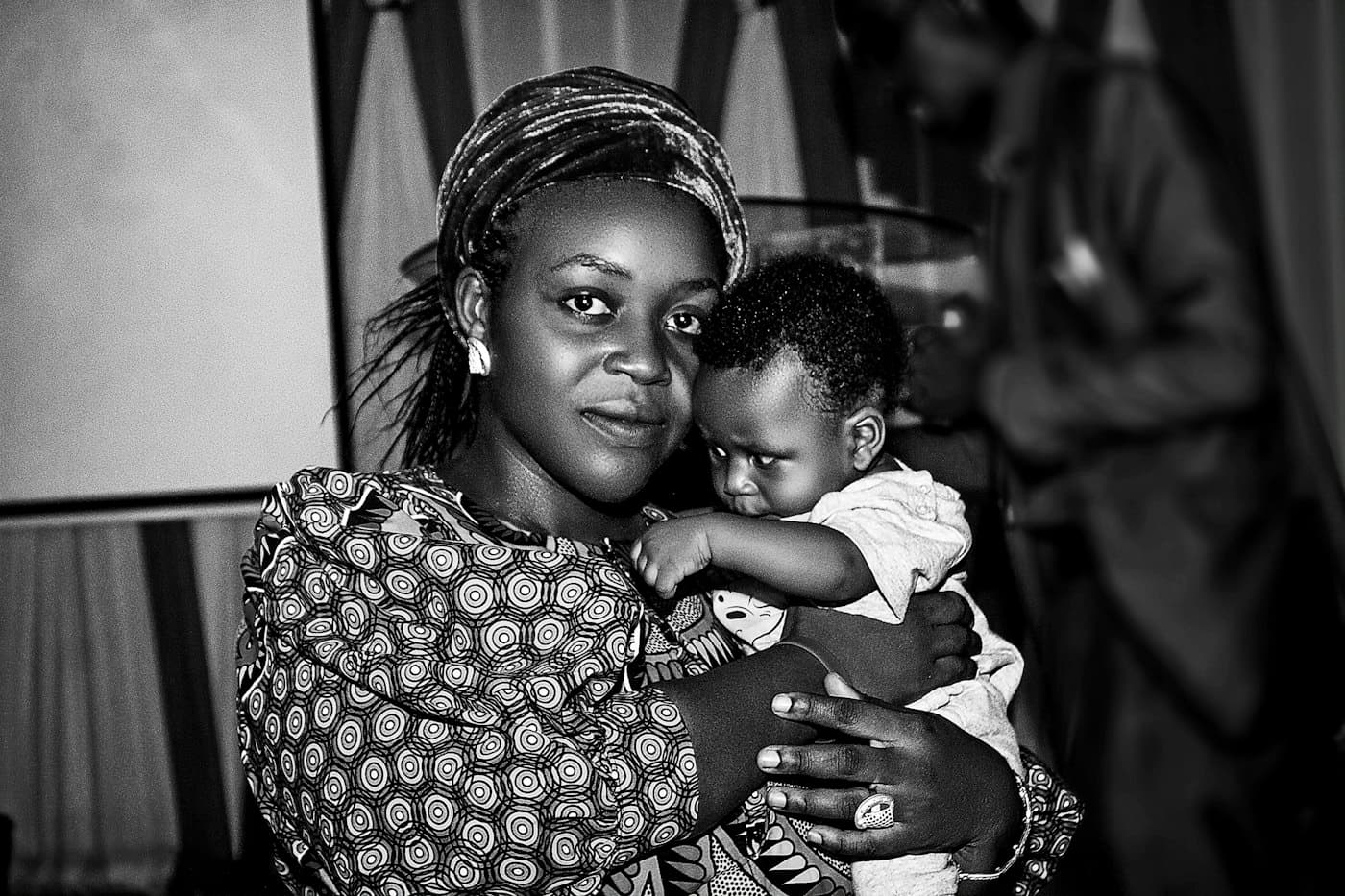
Children's welfare
Orphan care
Keep orphaned children with family, fed, in school and looked after.
Donate to orphan care$0 raised of $60,000
0%
$60,000 to go. Be the first to give.
Children's welfare
Keep children in school
Fees, uniforms and supplies for children about to drop out.
Donate to keep children in school$0 raised of $45,000
0%
$45,000 to go. Be the first to give.
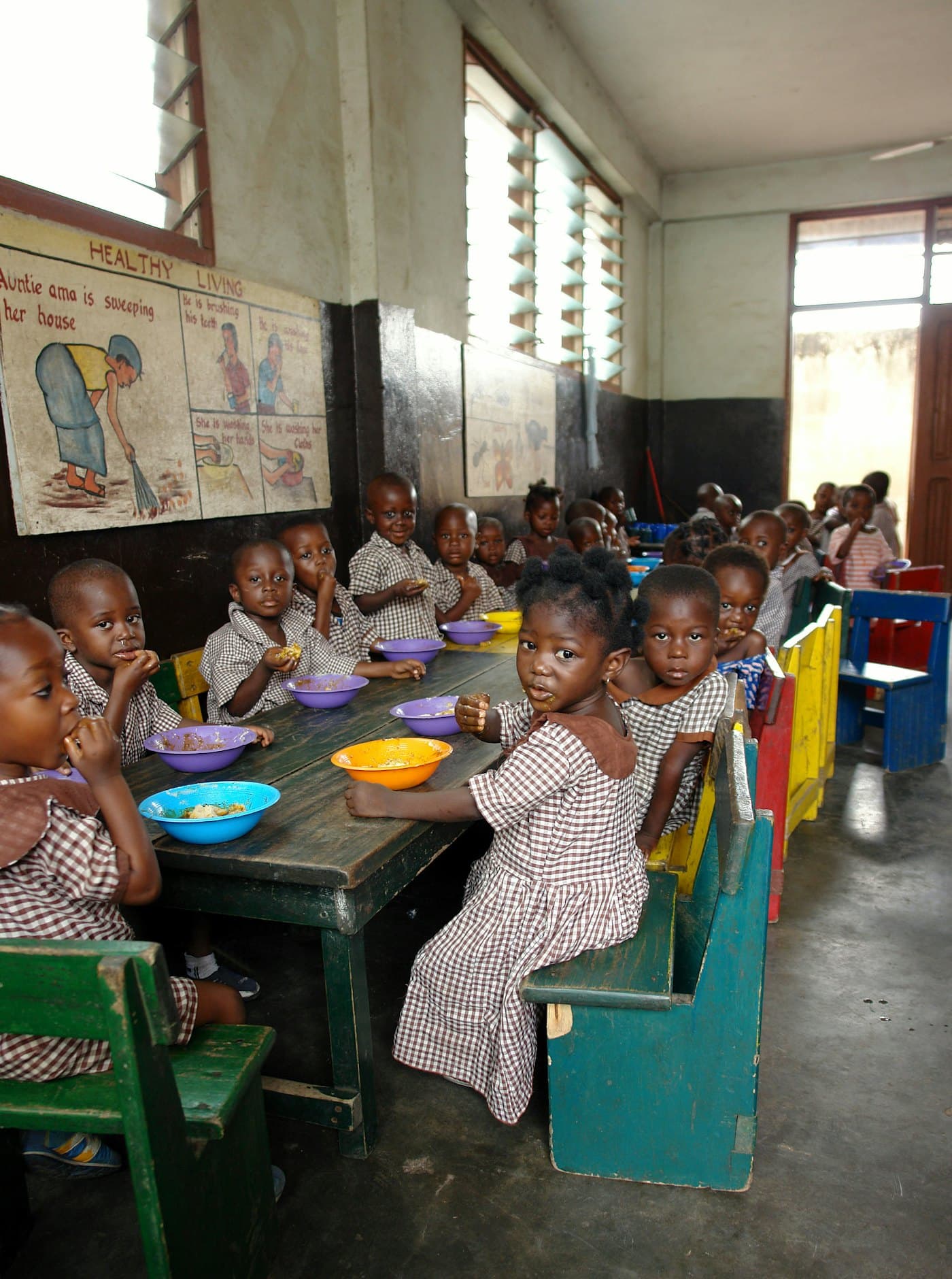
Children's welfare
School meals
A hot lunch that brings children to class and helps them learn.
Donate to school meals$0 raised of $75,000
0%
$75,000 to go. Be the first to give.
More stories
- Best 501(c)(3) Charities to Donate to Clean Water Wells in Africa: What to Look For in 2026
How to find the best 501(c)(3) charities to donate to clean water wells in Africa. Eight criteria that separate lasting water projects from broken pumps, and how GiveToAfrica measures up.
- Donate to Clean Water Wells in Africa: How Borehole Projects Work and What Your Gift Funds
How to donate to clean water wells in Africa through a 501(c)(3). See what a borehole costs, what keeps it working, and fund a water project directly.
- How to Donate to Africa from the USA: Every Way to Give, and Where Your Money Goes
A practical guide to donate to Africa from anywhere in the United States. Choose a cause, give tax-deductibly to a 501(c)(3), and see exactly what your gift does.