Sponsor a Family in Africa: How Family Sponsorship Works and What Your Monthly Gift Provides
Want to sponsor a family in Africa? See how family sponsorship works through a 501(c)(3), what $50 a month provides, and how to fund food, school, water and income.
GiveToAfrica team · · 11 min read
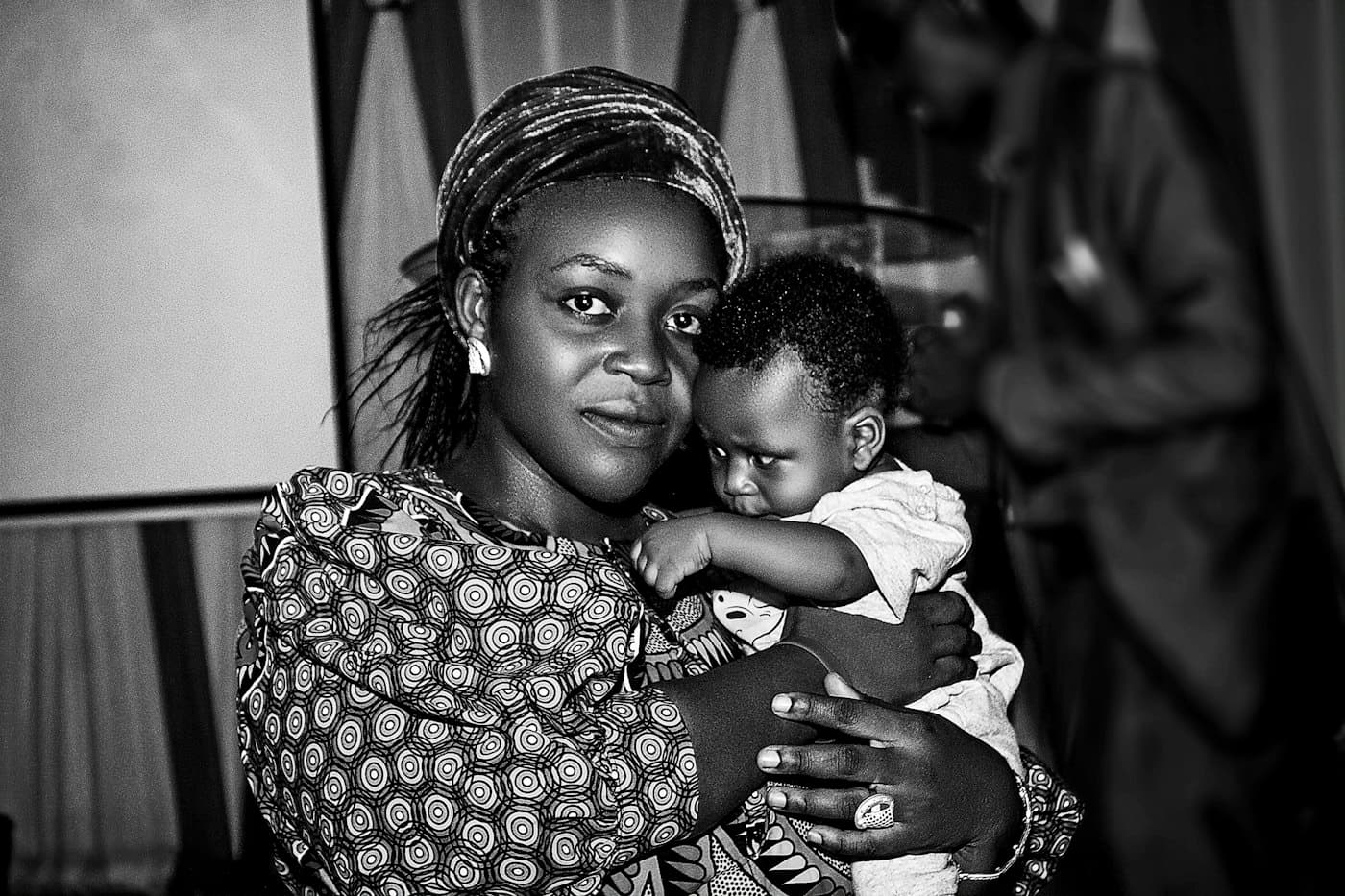
Illustrative photo: Oyemike Princewill / Unsplash
If you want to sponsor a family in Africa, you are probably imagining something personal. You picture one household that eats better, sends its children to school and earns its own way, because of you. This guide explains how family sponsorship really works, what it costs, and how to do it well.
We'll also be honest about how GiveToAfrica does it. Instead of matching you with one named family, you fund the programmes that strengthen many families at once. You still see exactly what your money provides, through a field report every quarter.
What it means to sponsor a family in Africa
A family sponsorship is a regular gift that meets a household's basic needs. Typically, that means food, school costs, health care and clean water. The best programmes also help the family earn more, so they don't need support forever.
However, "sponsor a family" can mean two different things. Some charities match you with one named household and send letters and photos. Others pool sponsors' gifts to support many families through the same programme.
GiveToAfrica uses the second model. There are three reasons. First, it protects families' privacy and dignity. Second, it means no family is left out because no sponsor picked them. Third, it keeps costs down, because staff time goes into the work rather than into matching and letters.
Therefore, when you sponsor a family in Africa with us, you choose the kind of support. Then you follow its results through the field report.
Why sponsor a family through GiveToAfrica
Every family programme on this site shows its budget before you give. For example, the orphan care page shows that 38% of the budget buys food packages. Meanwhile, 24% pays school costs, 20% funds caseworkers, 10% supports savings groups and 8% covers monitoring.
Additionally, GiveToAfrica is a registered 501(c)(3) nonprofit, EIN 27-3982730. Consequently, gifts from US donors are tax-deductible to the extent allowed by law. Your email receipt arrives as soon as your payment clears.
Most importantly, family support is designed to end. Guardians join savings groups, and many families receive a small business grant. As a result, the goal is that each household stands on its own within about three years.
Our Services: family sponsorship programmes you can fund
A family's needs rarely fit into one box. Here are seven ways you can sponsor a family in Africa, each linked to a cause you can give to directly.
Monthly food for families raising orphans
When parents die, children usually move in with a grandmother or aunt who is already stretched. Our orphan care cause gives these households a monthly food package, delivered and signed for.
A gift of $70 provides two months of food for one child living with a relative. Additionally, caseworkers visit every household every month. They check that the children are healthy, safe and in school.
School fees, uniforms and books
In many families, school costs are the first thing to go when money runs short. Our keep children in school cause pays fees directly to the school and buys uniforms, shoes and supplies.
For instance, $50 buys exercise books, pens and school bags for two pupils. Meanwhile, $180 covers a full year of fees and exam costs for one pupil. Mentors visit families whenever a child misses three days in a row.
Sponsoring a child within a family
If you'd like your gift to follow one child's progress, child sponsorship is the closest option. It gives a child a year of steady support: schooling, health checks and nutrition.
A gift of $78 covers two months of sponsorship, and $468 covers a full year. Furthermore, part of the budget funds small grants so parents can earn more. In other words, sponsoring a child also strengthens the family around them.
Small business grants for mothers
The most lasting way to support a family is to help a parent earn a steady income. Our small business grants cause gives women a grant, business training and a mentor for a year.
For example, $250 funds a starter grant for a market stall or tailoring business. Similarly, $1,000 provides grants and a year of coaching for a group of four women. Consequently, families move from receiving support to providing for themselves.
Savings groups and small loans
Families without savings are one illness or bad harvest away from crisis. Our microfinance cause helps families save together and borrow small amounts at fair terms.
A gift of $50 buys lockboxes and record books for two savings groups. Meanwhile, $150 funds a first loan for a small trader. Because loans are repaid and lent again, each dollar helps family after family.
Seed, tools and livestock for farming families
Most rural families in Africa farm. Therefore, better seed and storage can mean more months of food each year. Our agriculture cause provides improved seed, fertiliser and grain storage.
For instance, $70 buys improved seed and fertiliser for two family plots. Additionally, $180 provides a silo that stops harvest losses. In drought, our drought emergency cause provides feed to keep a family's breeding goats alive for $120.
Clean water and bed nets for the whole household
A family cannot thrive if its water makes the children sick. Our water purification cause puts filters in family homes; $80 provides filters for two families of six.
Similarly, malaria is one of the biggest threats to young children. Through malaria prevention, $50 buys five treated bed nets, delivered and hung during a household visit. Together, water and nets protect every member of the family.
What changes when you sponsor a family in Africa: a three-year path
Good family sponsorship is not open-ended charity. Instead, it follows a path from crisis to independence. Here is how that path usually looks in the programmes you can fund.
Year one: stabilise the household
In the first year, the priority is simply to stop the family from sliding further. Therefore, support starts with food, school and health. Children receive food packages, school fees are paid directly to the school, and the household gets clean water and bed nets.
Meanwhile, a caseworker visits every month. They check the children's health and school attendance, and they refer anyone who is sick. For instance, malnourished children are referred to nutrition programs, and pregnant mothers to maternal and child health care.
Year two: build savings and skills
Once the household is stable, the focus shifts to earning. First, guardians and parents join a savings group, where members save small amounts together and lend to one another. Next, many receive business training.
Similarly, older teenagers can learn a trade. Our vocational training cause trains young women in tailoring, hairdressing, catering or solar repair, and gives each graduate a starter kit. As a result, a family can gain a second income.
Year three: independence
By the third year, many families have a small business, some savings and a better harvest. Consequently, food support can taper off, and the family stands on its own. The children stay in school because the household can now afford it.
When a family graduates, support moves on to the next household in need. In other words, your sponsorship does not just help one family. It helps a new family every few years, for as long as you give.
Families with extra needs
Some households need more time. For example, a grandmother raising five grandchildren may never run a business. In those cases, food and school support continue for longer, and the report explains why.
Likewise, expectant mothers in remote areas may need help getting to a clinic. Our safe motherhood cause funds emergency transport and trained midwives, so a birth does not become a family crisis.
How much does it cost to sponsor a family in Africa?
There is no single price, because families' needs differ. However, our current budgets give a clear picture of what regular giving provides.
For example, $50 a month to orphan care covers food for a child living with relatives, with money left over for caseworker visits. Alternatively, $50 a month to child sponsorship covers more than one month of a child's schooling, health checks and nutrition.
If you prefer a single larger gift, $468 covers a full year of child sponsorship. Similarly, $250 gives a mother a starter grant that can support her family for years.
The minimum gift on our site is $50. Monthly gifts are available when you pay by card, and you can cancel at any time.
How to sponsor a family in Africa from the USA
Here are the ways US donors most often sponsor families in Africa.
Give monthly by card
Monthly giving is the heart of family sponsorship. On our donation page, choose a family cause such as orphan care. Then pick "Monthly" and an amount from $50. You can cancel any time, as our terms explain.
Give once, or give crypto
If you prefer, you can make a single gift instead. You can also give Bitcoin, Ethereum, USDT and more than 100 other coins by choosing crypto on the donation form.
Give from a donor-advised fund or IRA
You can recommend a donor-advised fund grant to GiveToAfrica using EIN 27-3982730. Simply write the cause, such as "orphan care", in the grant note.
If you are 70½ or older, a qualified charitable distribution from your IRA may also work. However, contact us first, so we can confirm the details and record the gift correctly.
Sponsor families as a group or company
Churches, schools and workplaces often sponsor families together. For instance, a small group can pool monthly gifts to fund several families' food and school costs. Companies can match staff gifts or sponsor a whole programme; see company giving. You can also volunteer to organise a group in your area.
Sponsoring families in Africa from communities across the USA
You can sponsor a family in Africa from anywhere in the United States. Here is how donors in different regions often get involved.
Family sponsorship from Atlanta and the Southeast
Atlanta and the wider Southeast have many churches with a long history of mission giving. Consequently, congregations in Georgia, Alabama and the Carolinas often sponsor families together. Many choose orphan care or church ministries that support widows and orphans.
Family sponsorship from Houston and Dallas
Houston and Dallas–Fort Worth have large Nigerian, Ghanaian and East African communities. Many families there already support relatives back home. Therefore, Texas donors often choose programmes that build income, such as small business grants and microfinance.
Family sponsorship from Chicago and the Midwest
From Chicago's suburbs to Indianapolis and Kansas City, Midwest donors often give through churches and workplaces. As a result, many Midwest sponsors use company matching to double their monthly gift. Farming families across the region also relate to agriculture programmes.
Family sponsorship from New York and the Northeast
New York City, Boston and Philadelphia have large West African communities, including Harlem's "Little Senegal". Likewise, many Northeast donors prefer education. Consequently, they often sponsor families through keeping children in school and scholarships.
Family sponsorship from Los Angeles, Seattle and the West Coast
Los Angeles, the San Francisco Bay Area and Seattle are home to growing Ethiopian, Eritrean, Nigerian and Somali communities. Additionally, many West Coast donors work in technology and give cryptocurrency. Consequently, they often sponsor families with a monthly card gift or a larger annual crypto gift. Popular choices include water purification for family homes and vocational training for young women. Wherever you live, the process is the same: choose a family cause, give monthly or once, and follow the results in your report.
How to choose a family sponsorship programme
Before you sponsor a family anywhere, ask four questions. Does the charity pay school fees directly to the school? Does someone visit the family regularly? Is there a plan for the family to become independent? Will you see results, not just photos?
We answer each of those on our cause pages. For a wider checklist, read how to choose a charity working in Africa. You can also check any US charity's registration in the IRS Tax Exempt Organization Search; for GiveToAfrica, search for EIN 27-3982730.
What happens after you sponsor a family
First, your email receipt arrives as soon as your payment clears. Next, your gift is recorded against the family cause you chose, and released to the local partner in stages.
Subsequently, caseworkers visit households, pay school fees directly and check that support arrives. Finally, every quarter, you receive a field report on your cause. It shows how many families were supported, how many children stayed in school, and how many households reached independence. Read more about why we send field reports and how we work.
Contact GiveToAfrica about family sponsorship
We accept donations from all 50 US states and from supporters worldwide. Family support is delivered by vetted local partners across Africa, through our children's welfare and economic development causes.
Have a question before you give? Email info@givetoafrica.net, use our contact form, or tap the WhatsApp button on this page. We reply to every message within two working days.
Frequently asked questions
Can I sponsor one specific family in Africa?
GiveToAfrica does not match donors with one named family. Instead, your gift funds a family programme, such as orphan care or small business grants, that supports many households. This protects families' privacy and means no family is left out.
How much does it cost to sponsor a family in Africa each month?
Monthly gifts start at $50. For example, $50 a month to orphan care covers a child's food with a relative plus caseworker visits. A year of child sponsorship costs $468 in our current budget.
Is family sponsorship tax-deductible?
Yes. GiveToAfrica is a registered 501(c)(3) nonprofit, EIN 27-3982730, so gifts from US donors are tax-deductible to the extent allowed by law. Your email receipt is valid for your tax records.
How long do families need support?
The aim is independence within about three years. Guardians join savings groups, and many receive a small business grant, so the household can support itself.
Can I cancel a monthly family sponsorship?
Yes, at any time. Email info@givetoafrica.net and we will cancel it the same working day. No further payments are taken.
Ready to sponsor a family in Africa?
You have seen how family sponsorship works and what it provides. Now choose the support that matters most to you, from orphan care to small business grants. Alternatively, give where it is needed most today.
If you have a question first, contact our team. We would be glad to help you choose.
Donate directly to a cause in this guide
Choose a cause and your gift goes straight to it. Gifts start at $50, and are tax-deductible in the United States.
Children's welfare
Orphan care
Keep orphaned children with family, fed, in school and looked after.
Donate to orphan care$0 raised of $60,000
0%
$60,000 to go. Be the first to give.
Children's welfare
Child sponsorship
Monthly support for one child's schooling, health and meals, with updates.
Donate to child sponsorship$0 raised of $140,000
0%
$140,000 to go. Be the first to give.
Women's empowerment
Small business grants for women
Grants and coaching for women starting a business.
Donate to small business grants for women$0 raised of $85,000
0%
$85,000 to go. Be the first to give.
Children's welfare
Keep children in school
Fees, uniforms and supplies for children about to drop out.
Donate to keep children in school$0 raised of $45,000
0%
$45,000 to go. Be the first to give.
More stories
- Best 501(c)(3) Charities to Donate to Clean Water Wells in Africa: What to Look For in 2026
How to find the best 501(c)(3) charities to donate to clean water wells in Africa. Eight criteria that separate lasting water projects from broken pumps, and how GiveToAfrica measures up.
- Donate to Clean Water Wells in Africa: How Borehole Projects Work and What Your Gift Funds
How to donate to clean water wells in Africa through a 501(c)(3). See what a borehole costs, what keeps it working, and fund a water project directly.
- How to Donate to Africa from the USA: Every Way to Give, and Where Your Money Goes
A practical guide to donate to Africa from anywhere in the United States. Choose a cause, give tax-deductibly to a 501(c)(3), and see exactly what your gift does.