Donate Food to Africa: Emergency Famine Relief, School Meals and Lasting Solutions to Hunger
How to donate food to Africa through a 501(c)(3): emergency famine relief, school meals, malnutrition treatment and farming support. See where every dollar goes.
GiveToAfrica team · · 11 min read
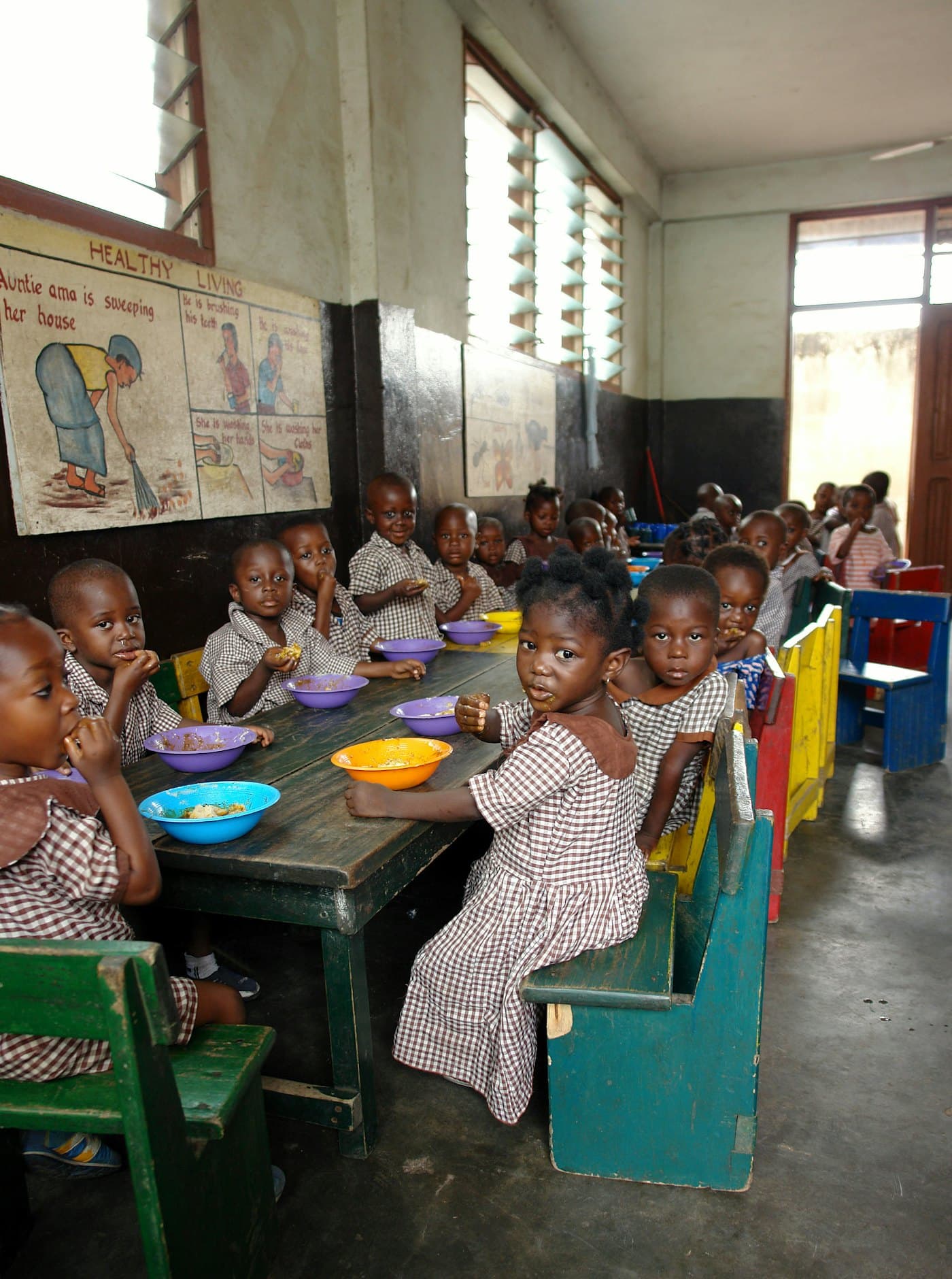
Illustrative photo: bill wegener / Unsplash
If you want to donate food to Africa, you face a practical question. Should you send food, or send money for food? This guide explains why money usually goes further, and how to make sure it feeds the families who need it most.
We'll cover emergency famine relief, school meals, malnutrition treatment and the farming support that prevents the next crisis. We'll also show how to give through GiveToAfrica, a registered 501(c)(3) nonprofit. You choose a hunger cause, your gift is recorded against it, and you get a field report on who was fed.
Why donating food to Africa still matters
Hunger in Africa is often driven by weather, conflict and prices, all at once. For example, Ethiopia, Kenya and Somalia endured five failed rainy seasons in a row from late 2020. Aid agencies called it the worst drought in the Horn of Africa in 40 years (UN OCHA).
When harvests fail, families eat less, then sell their livestock, then pull children out of school. Consequently, a single bad season can undo years of progress. Similarly, conflict in places such as South Sudan and Sudan cuts families off from their fields and markets.
However, hunger is not only an emergency problem. Many children arrive at school every day having eaten nothing. Meanwhile, many farmers lose part of every harvest to pests and poor storage.
Therefore, the best way to donate food to Africa combines two things. First, fast help when a crisis hits. Second, steady support that makes the next crisis less severe.
Should you send food or money?
Shipping food from the United States is slow and expensive. Moreover, imported food can undercut the local farmers who are the long-term answer to hunger.
Instead, most food aid today is bought close to where it is needed, or given as cash or mobile-money transfers. As a result, families get food faster, local markets keep working, and your dollar buys more.
That is how our emergency food aid cause works. Where markets still function, families receive monthly transfers. Where they don't, partners buy food locally and deliver rations. Either way, 70% of the budget goes directly to food or cash for families.
Our Services: hunger programmes you can fund in Africa
Ending hunger takes more than one kind of help. Here are seven hunger programmes you can fund through GiveToAfrica, each linked to a cause you can give to directly.
Emergency food aid for families in crisis
When harvests fail, families can run out of food within weeks. Our emergency food aid cause feeds families through the hungry season with monthly food rations or cash transfers.
Community committees help register the most vulnerable households first. For instance, families with young children, elderly members or disabled relatives come first. A gift of $90 provides two months of food parcels for a family of five. Meanwhile, $1,000 feeds 22 families for a month.
In addition, every distribution is followed by household checks and a complaints line. Consequently, problems are caught early, and you see the results in your field report.
School meals that keep children learning
Hungry children cannot concentrate, and many stop coming to school at all. Therefore, our school meals cause serves a hot, nutritious lunch every school day.
A gift of $75 feeds one child for a whole term, and $225 covers a full school year. Additionally, $1,200 equips a school kitchen with a fuel-efficient cooking stove and utensils.
Furthermore, schools grow vegetables in gardens tended by pupils and parents. As a result, meals are more nutritious, and children learn farming skills they can use at home.
Treating malnutrition in young children
Malnutrition in the first years of life can harm a child's growth and development for good. However, it is treatable when found early. Our nutrition programs cause screens young children in every village.
For example, $75 funds arm-band screening for 250 children. Similarly, $120 buys full courses of ready-to-use therapeutic food for two malnourished children. Health workers track every child until they recover.
Moreover, $700 runs a year of cooking and nutrition classes for 40 mothers. That way, families learn to prevent malnutrition with local foods.
Livestock support during drought
For pastoralist families in East Africa, livestock are both savings and food. When drought strikes, animals die first, and families lose their safety net. Our drought emergency cause helps keep breeding animals alive.
A gift of $120 provides feed to keep a family's breeding goats alive through the worst months. In addition, the same cause funds water trucking and emergency borehole repairs. Consequently, families can rebuild their herds when the rains return.
Drought-resilient farming
The most lasting food aid helps families grow more in hard years. Our drought resilience cause gives farmers drought-tolerant seed, water harvesting and training.
For instance, $60 buys drought-tolerant seed for two farm plots. Likewise, $250 provides a drip irrigation kit for a family garden, and $5,000 builds a community water pan that stores rain for the dry season.
Therefore, this is where a food donation to Africa has its longest effect. Each season, farmers are measured on yields and on how many months their harvest feeds the family.
Better harvests and grain storage
Many families lose a large share of their harvest to pests and damp after it is picked. Our agriculture cause helps smallholder farmers raise their yields and store grain safely.
A gift of $70 buys improved seed and fertiliser for two family plots. Additionally, $180 provides a grain storage silo that stops harvest losses. As a result, families have food for more of the year, and they can sell surplus when prices are better.
Food support for orphans and vulnerable families
Some families face hunger every month, not just in a crisis. For instance, grandmothers raising orphaned grandchildren often struggle to feed everyone. Our orphan care cause provides monthly food packages to these households.
A gift of $70 provides two months of food for one child living with a relative. Furthermore, caseworkers visit each household monthly. Guardians also join savings groups, so the family can stand on its own within three years.
Where each dollar goes when you donate food to Africa
When you donate food to Africa through our emergency food aid cause, the planned budget is simple. About 70 cents of every dollar goes straight to food rations or cash transfers for families.
Next, about 10 cents covers transport and safe storage, so food reaches distribution points in good condition. Meanwhile, 8 cents funds registration, so the most vulnerable families are found first. Finally, 5 cents pays distribution staff, and 7 cents covers monitoring, follow-up checks and your report.
Therefore, you can see exactly how a $100 gift is split before you give. Every quarter, the field report then compares the plan with what was actually spent.
Why food aid connects to everything else
Hunger rarely comes alone. Instead, it is tangled up with health, school, conflict and income. That is why many donors pair a food gift with a second cause.
Food and health
A hungry mother is more likely to have a difficult birth and a small baby. Consequently, food support and maternal and child health care work best together. Health workers who screen children for malnutrition also refer mothers for antenatal checks.
Food and school
When families run short of food, older children are often sent to work instead of school. However, a daily school lunch gives parents a reason to keep them in class. Many donors therefore combine school meals with keeping children in school, which pays fees and buys uniforms.
Food, conflict and displacement
In conflict zones, hunger is often used as a weapon, and families flee with almost nothing. Our conflict response cause funds food and medical care through local organisations able to reach civilians. Similarly, refugee assistance supports families who have already been forced from their homes. After floods, flood relief delivers emergency rations alongside shelter and clean water.
Food and income
Ultimately, families stay fed when they earn enough to buy food in a bad year. That is why many donors who donate food to Africa also fund small business grants for women. A market stall or tailoring business gives a family income that does not depend on the rain.
How to donate food to Africa from the USA
Here are the ways US donors most often donate food to Africa and fund hunger relief.
Donate online to a hunger cause
The fastest way is our donation page. First, choose a cause such as emergency food aid. Next, pick an amount; gifts start at $50. Then complete the secure form. Your receipt arrives by email once your payment clears.
Set up a monthly gift for famine relief
Hunger does not arrive once a year. Therefore, monthly gifts are especially valuable for food programmes, because partners can plan ahead and buy food before prices rise. When you pay by card, choose "Monthly" on the donation form. You can cancel any time, as explained in our terms.
Give in memory of a loved one
Many donors give famine relief in memory of someone they have lost. You can note the dedication in the message field of the donation form. If you would like to arrange a larger memorial gift, contact us and we will help.
Give crypto, or give from a DAF or IRA
You can donate Bitcoin, Ethereum, USDT and more than 100 other coins to a hunger cause through the donation form. Alternatively, recommend a donor-advised fund grant to GiveToAfrica using EIN 27-3982730, and name the cause in the note.
If you are 70½ or older, a qualified charitable distribution from your IRA may also be possible. Before instructing your custodian, contact us so we can confirm the details.
Ask your employer to double it
Many US employers match charitable gifts. Add your employer's name on the donation form and we will handle the paperwork. Companies can also sponsor school kitchens or a season of food aid; see company giving.
Fighting hunger in Africa from communities across the United States
You can fund famine relief from anywhere in the US. Still, some American communities have a very personal connection to hunger in Africa.
Donors in Minneapolis–St. Paul and Columbus, Ohio
The Twin Cities and Columbus are home to two of the largest Somali communities in the United States. Many families there followed the Horn of Africa drought closely. Consequently, donors in Minnesota and Ohio often fund emergency food aid and drought emergency relief.
Donors in Seattle and San Diego
Seattle has large Somali, Ethiopian and Eritrean communities, and San Diego's City Heights neighbourhood is home to many East African families. Similarly, donors on the West Coast often support nutrition programs that treat malnourished children.
Donors in Washington, DC, and the Mid-Atlantic
The Washington, DC, area has one of the largest Ethiopian communities outside Ethiopia. In addition, many people who work in international development live in Maryland and Virginia. Therefore, DMV donors often choose long-term solutions such as drought resilience and agriculture.
Donors in the farm states of the Midwest and South
Farmers in Iowa, Kansas, Nebraska and across the South know how much depends on the weather. As a result, many rural donors support farming causes. They often fund seed, irrigation and grain storage, so African farmers can weather a bad season.
How to choose a famine relief charity for Africa
Before you give to any hunger appeal, ask four questions. Is the charity registered? Does it buy food locally or give cash where markets work? How does it choose which families get help? Will it tell you how many families it reached, and how quickly?
We answer each of those on the emergency food aid page, including a target of under 14 days from funding to distribution. You can also read our general guide on how to choose a charity working in Africa.
Additionally, you can check any US charity in the IRS Tax Exempt Organization Search. For GiveToAfrica, search for EIN 27-3982730.
What happens after you donate food to Africa
First, your email receipt arrives as soon as your payment clears. Next, your gift is recorded against the hunger cause you chose, and released to the local partner against an agreed budget.
Subsequently, field staff check distributions and visit families afterwards. Finally, every quarter, you receive a field report showing how many families were reached, what they received and what it cost. You can read more about why we send field reports and how we work.
Contact GiveToAfrica about hunger relief
We accept donations from all 50 US states and from supporters worldwide. The work is carried out by vetted local partners across Africa, through our food and hunger relief causes and all 38 causes on this site.
Have a question before you give? Email info@givetoafrica.net, use our contact form, or tap the WhatsApp button on this page. We reply to every message within two working days.
Frequently asked questions
Is it better to donate food or money to Africa?
Money usually goes further. Food bought locally, or cash transfers where markets work, reaches families faster and supports local farmers. Shipping food from the US is slow and costly.
How much does it cost to feed a family in Africa?
In our current budget, $90 provides two months of food parcels for a family of five, and $1,000 feeds 22 families for a month. Costs change with local food prices, and field reports show the actual figures.
Can I set up a monthly donation for famine relief in East Africa?
Yes. Choose "Monthly" on the donation form when paying by card, and select emergency food aid or another hunger cause. You can cancel at any time by emailing us.
Are food donations to Africa tax-deductible?
Yes. GiveToAfrica is a registered 501(c)(3) nonprofit, EIN 27-3982730, so gifts from US donors are tax-deductible to the extent allowed by law. Your email receipt is valid for your tax records.
How quickly does emergency food aid reach families?
Our target is under 14 days from funding to the first distribution. Where roads are cut or security is poor, it can take longer, and the field report explains any delays.
Ready to donate food to Africa?
Now you know how hunger relief works and where your money goes. Choose the programme that matters most to you, from emergency food aid to school meals. Alternatively, give where it is needed most today.
If you have a question first, contact our team. We would be glad to help you choose.
Donate directly to a cause in this guide
Choose a cause and your gift goes straight to it. Gifts start at $50, and are tax-deductible in the United States.
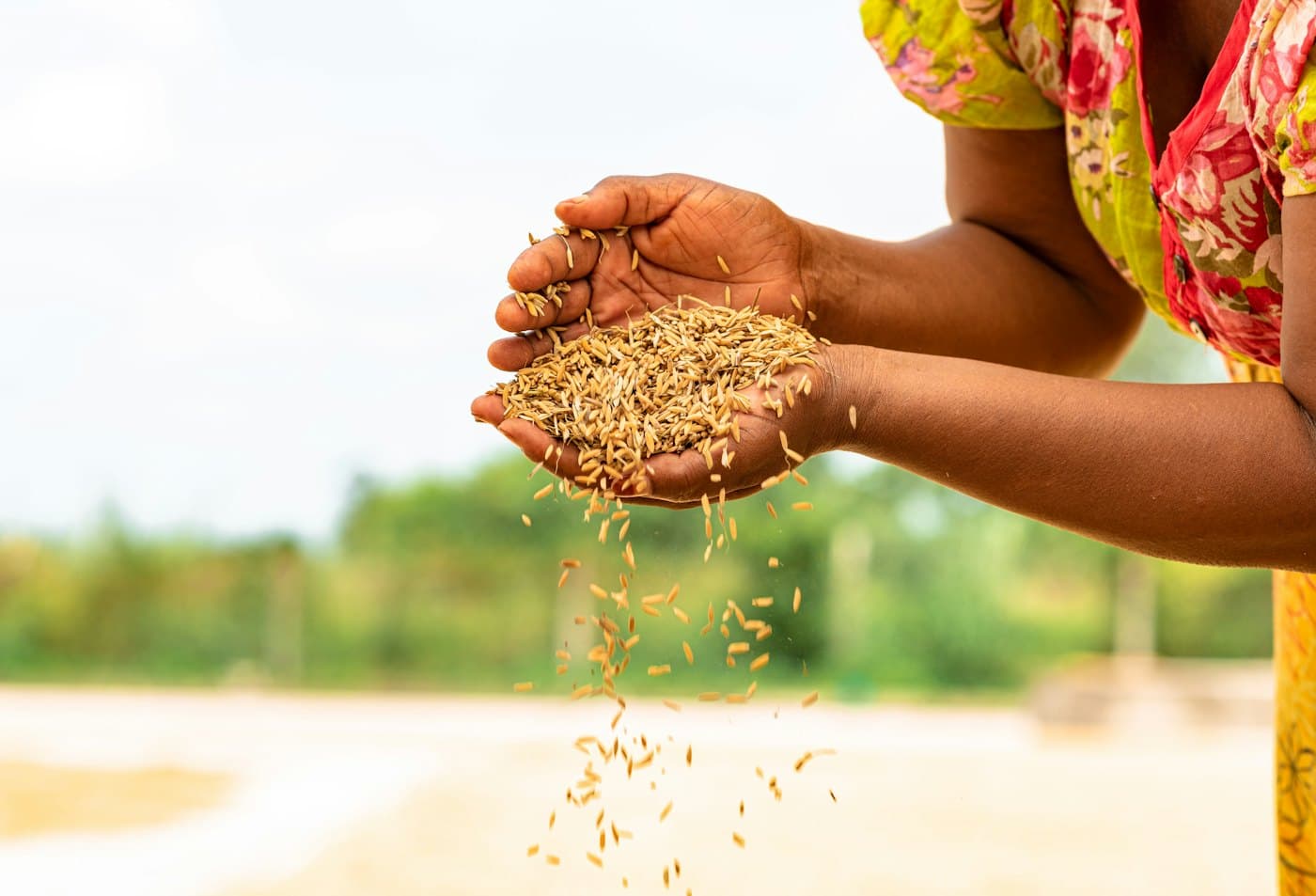
Food and hunger relief
Emergency food aid
Food parcels for families when the harvest fails.
Donate to emergency food aid$0 raised of $70,000
0%
$70,000 to go. Be the first to give.
Children's welfare
School meals
A hot lunch that brings children to class and helps them learn.
Donate to school meals$0 raised of $75,000
0%
$75,000 to go. Be the first to give.
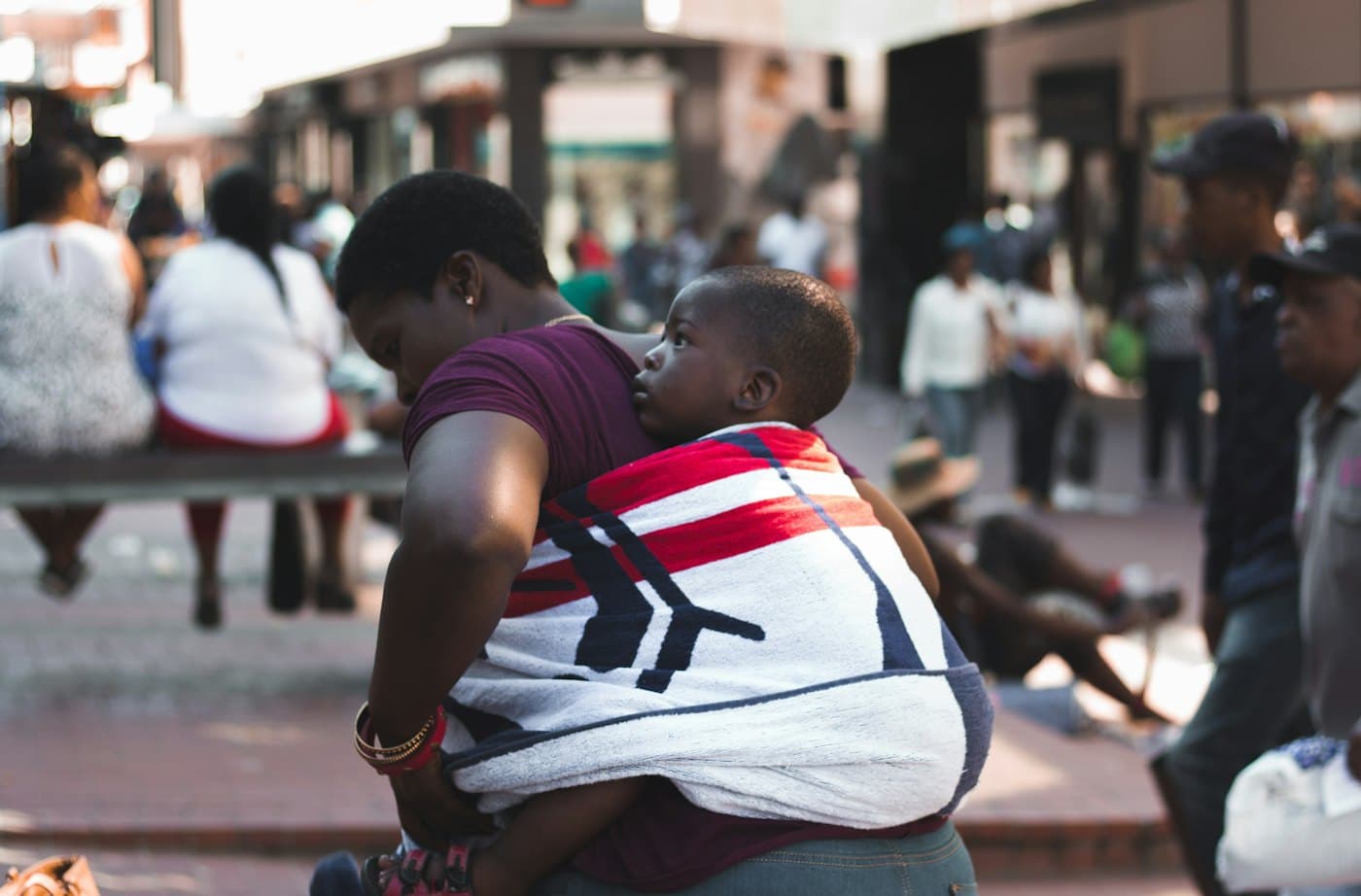
Food and hunger relief
Nutrition programs
Screen and treat malnutrition in children under five.
Donate to nutrition programs$0 raised of $50,000
0%
$50,000 to go. Be the first to give.
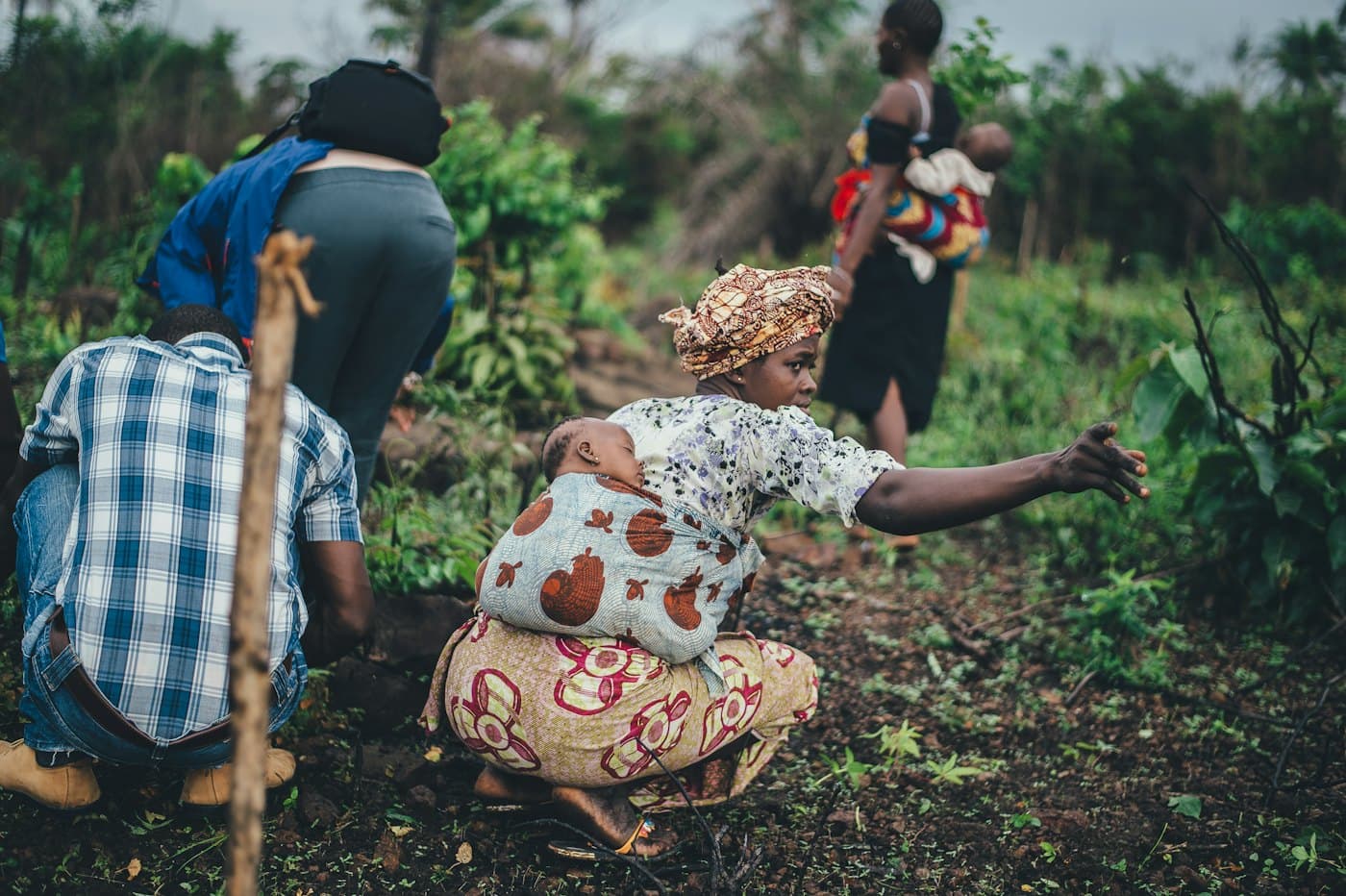
Food and hunger relief
Drought resilience
Water pans, drought-tolerant seed and irrigation that outlast the dry season.
Donate to drought resilience$0 raised of $55,000
0%
$55,000 to go. Be the first to give.
More stories
- Best 501(c)(3) Charities to Donate to Clean Water Wells in Africa: What to Look For in 2026
How to find the best 501(c)(3) charities to donate to clean water wells in Africa. Eight criteria that separate lasting water projects from broken pumps, and how GiveToAfrica measures up.
- Donate to Clean Water Wells in Africa: How Borehole Projects Work and What Your Gift Funds
How to donate to clean water wells in Africa through a 501(c)(3). See what a borehole costs, what keeps it working, and fund a water project directly.
- How to Donate to Africa from the USA: Every Way to Give, and Where Your Money Goes
A practical guide to donate to Africa from anywhere in the United States. Choose a cause, give tax-deductibly to a 501(c)(3), and see exactly what your gift does.